Want to see Cave of the Mounds on your next trip but aren’t sure how to fit us in?
Check out our Trip Plans for a gameplan on some of the best things to do in Wisconsin and places to visit in the Midwest!

Day Trips
Need something to do on your day off? Check out these Day Trip ideas! Each one takes up anywhere from just a couple hours to a full day and are perfect for an easygoing day out.
A quick day trip around some Madison sights before driving to nearby Cave of the Mounds to see the underground.
State Capitol Tour
The first stop on the Madison Day Trip is the Capitol. The Madison Capitol building is a masterful marble architecture that sits near the mouth of the isthmus between Lake Monona and Lake Mendota.
Free tours explore the history and architecture of the Capitol building along with the politics that occur within. Capitol tours last just under an hour, making the start of the day brief and relaxed.
Brunch on the Square
The Capitol Square is surrounded by good eats and charming cafés to get your day started. Grab a quick bite from Ancora Café, a latte from Wonderstate Coffee, or take an early lunch at The Old Fashioned before continuing your adventure.
Henry Vilas Zoo
Moving on from the Capitol, a quick 10 minute drive west lands you at Henry Vilas Zoo: a free-to-enter zoo and park that houses more than 650 animals across 115 species and features a carousel and multiple gift shops and vendors.
Full enjoyment of the zoo can take anywhere from 1 to 2 hours, and several eateries can be found around the park.
Cave of the Mounds
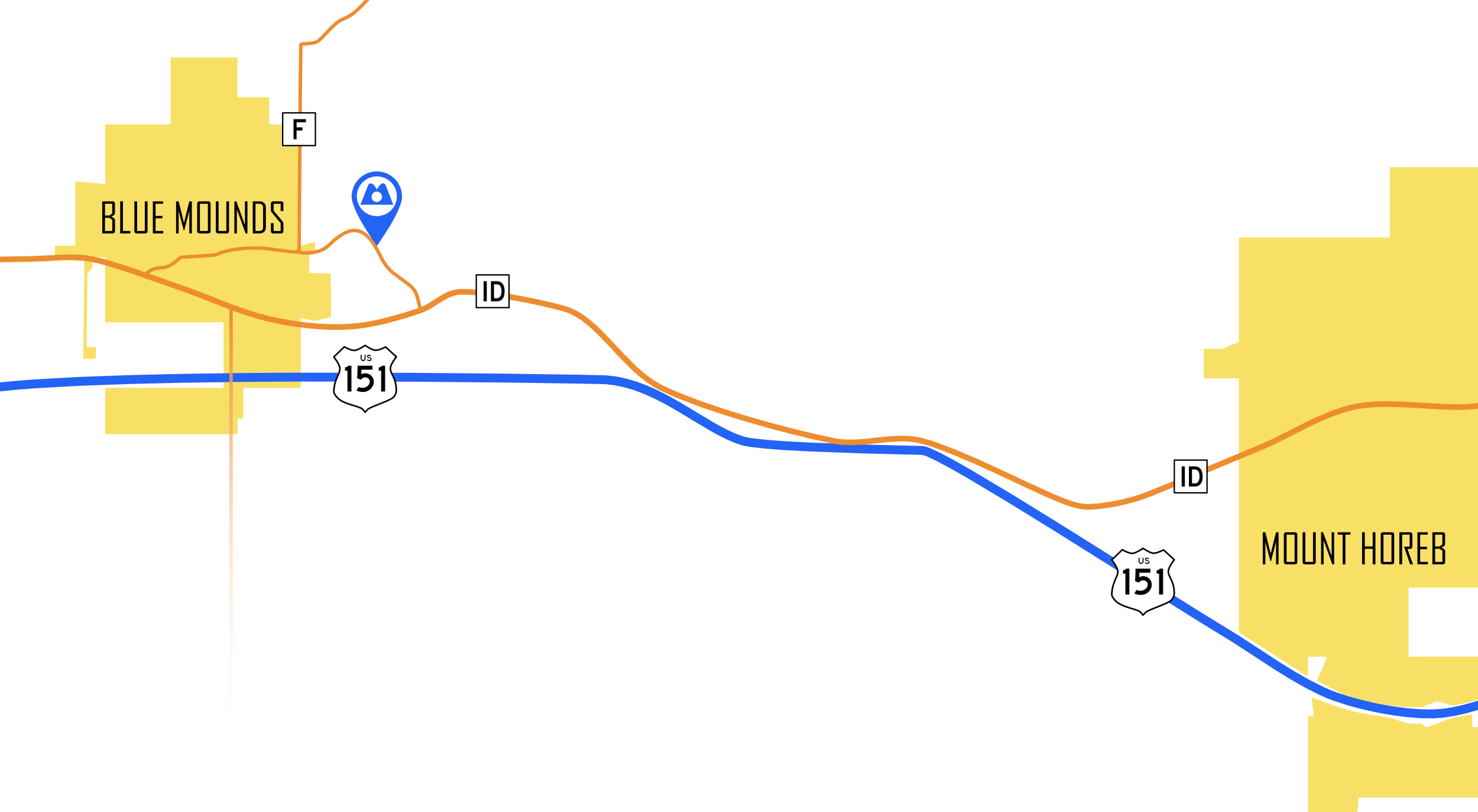
After the zoo, enjoy a breezy 30 minute car ride along HWY 151. A little more than halfway, you’ll spot the Blue Mounds in the distance. Cave of the Mounds is located near the top of the East Mound.
Below ground, tours leave frequently depending on the time of year, but are always at least every hour on the hour. Tours last anywhere from 45 minutes to 1 hour as guests travel 0.6 miles (1km) through the cave surrounded by ancient formations and mineral colors.
Above ground, three walking trails show off some of the best of the Driftless region: from woodland valleys to prairie-topped summits. Guests are also welcome to participate in cracking a geode or sluicing for gems and fossils at the Rock & Fossil Shop.
Most guests spend around 2 hours with us, but all are welcome to stay until the park grounds close.
Grumpy Troll Brewpub
Featuring locally-sourced food with a Scandinavian flair and a dozen award-winning homebrewed lagers and ales on tap, the Grumpy Troll sits just off main street in Mt. Horeb only 5 minutes from Cave of the Mounds.
Serving a variety of classic American pub fair like burgers and Reubens, Grumpy Troll also offers unique pizzas and a 1.5lb soft pretzel. Service is quick and the cheese curds are served with any choice of their 12 in-house sauces.
A casual drive around local towns in the Driftless area.
Mount Horeb, WI
Arriving in Mount Horeb in the morning starts your day easy with breakfast at Sunn Café, a locally-sourced stop that focuses on toasted sandwiches and fresh salads. Spend some time savoring the meal before exploring the historic main street.
Stone-faced shops line the road on either side, ranging in offerings from artisanal soaps and tea to antiques and chocolates. A spiritual rock shop can be found near the local maker’s market, and a candy store sits just off the beaten path. Each shop is operated by and employs locals, and out-of-town visitors are sure to find something with a unique southwest-Wisconsin flair.
When you’re done checking out main street, head down to the Driftless Historium. A local museum focused on the history of the Driftless Region, the Historium features replica storefronts, artifacts, and regular markets and events to put on your calendar.
Cave of the Mounds
Just five minutes away from Mt. Horeb, Cave of the Mounds runs tours regularly throughout the day. If you just miss an entry, you can spend the meantime walking one of our trails that summit the mound or go deeper into the valley. Guests of all ages also enjoy breaking a geode or sluicing for gems and fossils while they’re here. Most guests spend around 2 hours with us, but the park grounds are open until close of business.
A small self-serve cafe lives in our Visitor Center, and it can provide refreshments to prevent the lunchtime blues.
Blue Mounds, WI
Don’t leave without taking advantage of being atop the highest points in southern Wisconsin! Take the 5 minute drive over to Blue Mound State Park to climb the 40ft observation towers for some stellar views of the hills and valleys of the Driftless. Adventurous visitors can explore up to 20 miles of available trails that wrap and wind around the mound by walking, biking, or (in the winter) skiing.
Suppertime Fare
Several food options await in the area, but nearest to you is the Hooterville Inn: a local eatery in Blue Mounds that serves up burgers, sandwiches, soups, and salads. Go on a Friday to try the locally-loved Friday Fish Fry, or show up early to give their breakfast a go.
American Players Theater
Located in Spring Green, American Players Theater (APT) features a wooded outdoor amphitheater along with classic indoor space and puts on a variety of performances from Shakespeare to contemporary works. Be sure to book your show in advance as popularity skyrockets during nice weather. A gentle walk uphill is required to get to the Hill Theater performances, so be sure to dress appropriately and give yourself extra time if needed.
A quick visit to the Driftless for some nature.
Cave of the Mounds
Arriving before the tours start gives you a chance to stretch your legs in the morning air on our walking trails. Ranging in length anywhere from a half mile to a full mile loop, each trails shows off different elevations and biomes that are native to southwest Wisconsin.
Cave tours begin at 10:00am, last around an hour, and cover only around 0.6mi (1km), making it beneficial to do the tour before your hike to keep your energy.
Quick Bites
Grab a quick panini or salad at The Cook’s Room in Dodgeville, WI. Food is made fresh to order and baked goods are made daily, and the drink menu has classic coffees and teas with some less-typical options, too. Sit down and browse their small shop or take your treats to go.
Governor Dodge State Park
Featuring chain lakes and waterfalls surrounded by prairie-covered sandstone bluffs, Gov. Dodge encompasses over 5,000 acres of land crisscrossed by trails for walking, horseback riding, and skiing. Several small sandstone caves hideaway along the lake edges which offer fishermen opportunities to catch panfish, bass, walleye, and muskie.

Weekend Getaways
Need to get out of the house for a weekend? Take a mini road trip to see a ton of museums or camp out nearby and see some nature. Each trip can be two or three days and make the most out of your free time.
A popular combo trip for those visiting Cave of the Mounds. Enjoy a casual weekend visiting some of the big names in the area!
Day One
Cave of the Mounds
Just five minutes away from the town of Mt. Horeb, Cave of the Mounds runs tours regularly throughout the day. If you just miss an entry, you can spend the meantime walking one of our trails that summit the mound or go deeper into the valley. Guests of all ages also enjoy breaking a geode or sluicing for gems and fossils while they’re here. Most guests spend around 2 hours with us, but the park grounds are open until close of business.
A small self-serve cafe lives in our Visitor Center, and it can provide refreshments to prevent the lunchtime blues.
Blue Mounds, WI
Don’t leave without taking advantage of being atop the highest points in southern Wisconsin! Take the 5 minute drive over to Blue Mound State Park to climb the 40ft observation towers for some stellar views of the hills and valleys of the Driftless. Adventurous visitors can explore up to 20 miles of available trails that wrap and wind around the mound by walking, biking, or (in the winter) skiing.
Taliesin
A UNESCO World Heritage Site, Frank Lloyd Wright’s Taliesin [east] was his summertime spot: a home, studio, and laboratory all in one. Located in the valley between Spring Green’s verdant hills along the Wisconsin River and perched atop a gentle sloping mound, Taliesin exhibits Wright’s classic style in several layers and iterations, contrasting its modern feel with horse and buggy infrastructure.
The sunlit home is rustic from intention and use, with worn wood and time-smoothed stones leading through its short-ceilinged corridors. Outside, gardens and balconies provide views of the surrounding hillscape as well as glimpses into the estate’s historical operation. The use of local woods and stones in the construction ties the building into the landscape, and many of Wright’s home goods remain in the space—from tables and chairs to fine china—deepening the sense that the house was, in fact, a home.
Several styles of tour are available—from self-paced house tours to guide-led tours of the entire estate—and can take anywhere from 45 minutes to a full 4 hours. Tours begin with a brief shuttle ride from the visitor center to the estate just down the road and generally contain a mixture of walking, sitting, and standing.
Suppertime Fare
Taliesin itself offers some light fare at the Riverview Terrace Cafe which, as the name suggests, boasts terrific views of the Spring Green bridge over the Wisconsin River through its large windows. Nearby Dodgeville is host to some fan favorites such as Bob’s Bitchin’ BBQ and Corralejo Mexican Grill.
Day Two
House on the Rock
Needing very little introduction due to its inclusion in Neil Gaiman’s American Gods, House on the Rock is an eccentric, semi-interactive architectural compound with several buildings, displays, and exhibits including the world’s largest carousel. Guests enjoy a Japanese garden and a menagerie of things, things, things along with a small museum space about the architect and the area.
Touring the entire multi-building complex can easily take over 4 hours and covers around 2 to 2.5 walking miles, so we recommend visiting House on the Rock on a day where you have no strenuous activities planned afterwards.
Wollersheim Winery, Distillery, & Bistro
Built upon roots that were first put down in the 1840s and with multiple awards and distinctions under their belt, Wollersheim Winery has expanded their expertise into Distilling and elevated Italian-inspired comfort food.
Take tours of their facilities or simply tour your tastebuds around their selection of wines, spirits, and cocktails. The scenic hills butting up against a bend in the Wisconsin River provide romantic views as the fog rolls in off the water with rows of grapevines covering the hillscape.
Quiet camping near the lake.
Day One
Gibraltar Rock State Natural Area
A sandstone butte that sits 200ft above its surroundings, Gibraltar Rock overlooks the Wisconsin River valley and Lake Wisconsin with the Baraboo Hills in the distance. With a total elevation of a satisfying 1,234ft, the climb is moderately difficult and only partially paved with few ranger-made stairs along the way.
Taking it slow, Gibraltar Rock is a gentle start to your weekend with beautiful views regardless of the weather.
Merrimac Ferry & Merrimac Scoop
Crossing the Wisconsin River between two counties, the Merrimac Ferry is Wisconsin’s only completely free ferry ride and allows both vehicles and walking pedestrians alike. Crossing takes around 7 minutes and gives you a great view of the river valley along with a frankly charming little ride on the water.
On either side of the ferry docking you can find a small concessions stand serving up classic snacks and goodies. The southern dock hosts the Merrimac Scoop ice cream shop which is well known for their large variety of flavors. Grab one on your way onto the ferry to enjoy a treat while you float.
Parfrey’s Glen State Natural Area
Found close by to Wisconsin’s most popular state park, Parfrey’s Glen is Wisconsin’s first state natural area. It boasts a stunningly deep gorge scattered with boulders and mosses. The path crisscrosses over a stream that meanders through the center of the gorge, hinting at the crevasse’s origins.
It won’t take you long to explore the gorge itself, but the path continues along the creek and into the woodland if you’re looking for a longer visit. Those used to a flatter landscape will definitely enjoy the experience of sandstone walls rising up to surround them.
Devil’s Lake State Park
The most popular state park in Wisconsin—and for good reason—Devil’s Lake sits as the crown jewel in the Baraboo Range, a 25mi long mountain formation that juts out of the landscape. The rock here is Baraboo Quartzite: a variety of metamorphized sandstone that is a unique reddish-purple color, incredibly hard, and incredibly old—around 1.7 Billion years.
The lake itself offers swimming beaches for humans and pets alike, and concessions at the North and South Shores provide anything from merch to ice cream to kayak rentals. Fishing is possible at the lake, but with few near-shore hiding spots, you may find yourself doing more casting than catching. Large boulders that tumbled off the bluffs sit along the western edge of the lake, providing a good launch surface for some casual cliff jumping.
Outside of fishing and boating, you can take a hike up to Devil’s Doorway and see Balanced Rock along the way. Much of these paths are along the boulder fields along the edges of the bluffs with leveled quartzite used as a makeshift staircase as you make your way towards the summit, but paths curving along the sloped side of the bluff provide a gentler climb at the cost of some stellar views of the lake.
For this particular trip, you’ll be camping out in the park, so there is no need to rush through all there is to do, see, and explore at Devil’s Lake. Camping spots can be found on the Wisconsin DNR webpage along with more information on camping regulations.
Day Two
Natural Bridge State Park
The Natural Bridge is a three-and-a-half story tall sandstone arch similar in structure to those found out west in Arches National Park. It was carved out by the forces of wind and water and survived the last ice age by the luck of being in the Driftless Region. Immediately below the arch is a natural rock shelter that was discovered to be used by Native Americans as far back at 9,000B.C.E., around the time of the glacial retreat.
The park itself contains around 4 miles of wooded trails that wind around the hills and small bluffs with a small overlook at the crest of a hill. The trail itself is easy to traverse but unpaved and not entirely maintained, so visitors should exercise caution when visiting in the icy months.
Cave of the Mounds
A good pit stop on your way through the area, Cave of the Mounds has a tour just under an hour in length that takes you through a cave with rooms up to two stories high. Along the tour you’ll see a variety of cave formations, reflecting pools of water, and ancient fossils. Tours cover the science and history of this cave and caves like it, and you’ll see the entire thing on your visit.
Tour times vary day to day, so check our Plan Your Visit page to get an idea of when to stop by.
Governor Dodge State Park
Governor Dodge State Park is a lesser known park featuring chain lakes and waterfalls surrounded by prairie-covered sandstone bluffs and encompassing over 5,000 acres of land. It’s crisscrossed by trails for walking, horseback riding, and skiing. Several small sandstone caves hideaway along the lake edges which offer fishermen opportunities to catch panfish, bass, walleye, and muskie.
Concessions are available at the lakeshores and provide snacks as well as kayak or canoe rentals. It’s the perfect park for a gentle stroll or fruitful exploration, and its central location makes it easy to add other stops along your trip.
See ’em all or skip a few to get some extra time, the Great Lakes area is full of unique history, science, and art that we represent in museums and nature centers. Each place on this list covers unique topics, but these certainly aren’t the only places to learn about something cool in the area.
Day One
Ulysses S. Grant Home • Galena, IL
The home of the 18th president of the United States prior to his political career, the Ulysses S. Grant Home in Galena is a time capsule of the 1800s. With displays throughout the home and much of the original furniture in place, even those unenthused by historical figures will come away with some appreciation of the era.
The society that maintains the house and provides tours also stewards the Elihu B. Washburne House and the Old Market House, which may additionally be worth stopping by.
National Mississippi River Museum & Aquarium • Dubuque, IA
The River Museum combines the excitement of live aquatic and semi-aquatic animals with the history of one of the most important ports on the Mississippi River. Located in the heart of the port district of Dubuque, the River Museum is a three building campus with extensive exhibits and learning experiences.
Animal exhibits at the River Museum include fish, birds, and reptiles that are predominantly found living within or alongside the river and wetland ecosystems such as gar, sturgeon, bald eagles, and alligators. There are also several saltwater tanks that explore the differences between river and ocean animals.
The museum exhibits cover the wide expanse of history around the Mississippi River which has been used by humans since time immemorial. Interactive exhibits let you practice driving a barge on the river or see the effects of water on floodplains. Rotating exhibits pop up routinely to explore connected topics such as arctic dinosaurs and narwhals, while permanent features show off early industry machinery and boats along with a wetland viewing boardwalk.
The River Museum is an excellent stop for children or just adults looking for a fun time, and you get some serious bang for your buck: tickets are good for two days of visiting at no extra charge!
The Mining & Rollo Jamison Museums • Platteville, WI
Wisconsin is known as the Badger State not because of an abundance of the animals, but because lead miners would burrow underground to sleep—much like the American Badger. Lead mining is arguably the single most important industry in southwest Wisconsin’s history, and this is your chance to check out a pretty cool part of it by touring the Bevans 1845 Lead-Zinc Mine. Tours explore the history of mining in the Mississippi Valley and you can optionally end your visit with a ride on a 1931 mine train if the weather’s right.
Exhibits covering the history and culture of the region are found spread around the three acre grounds, encouraging exploration and discovery to your heart’s content.
Taliesin • Spring Green, WI
A UNESCO World Heritage Site, Frank Lloyd Wright’s Taliesin [east] was his summertime spot: a home, studio, and laboratory all in one. Located in the valley between Spring Green’s verdant hills along the Wisconsin River and perched atop a gentle sloping mound, Taliesin exhibits Wright’s classic style in several layers and iterations, contrasting its modern feel with horse and buggy infrastructure.
The sunlit home is rustic from intention and use, with worn wood and time-smoothed stones leading through its short-ceilinged corridors. Outside, gardens and balconies provide views of the surrounding hillscape as well as glimpses into the estate’s historical operation. The use of local woods and stones in the construction ties the building into the landscape, and many of Wright’s home goods remain in the space—from tables and chairs to fine china—deepening the sense that the house was, in fact, a home.
Several styles of tour are available—from self-paced house tours to guide-led tours of the entire estate—and can take anywhere from 45 minutes to a full 4 hours. Tours begin with a brief shuttle ride from the visitor center to the estate just down the road and generally contain a mixture of walking, sitting, and standing.
Cave of the Mounds • Blue Mounds, WI
A conveniently-located cave that’s fun for the whole family, Cave of the Mounds offers tours all year long and has events each month to provide a different experience for seasoned cave enjoyers. Walking trails along the property offer scenic views of the woodland and prairie, while paid experiences such as geode cracking and gem sluicing keep hands busy between tours.
The cave itself presents a scientific and historic tour rather than one steeped in stories and imagery, but tour guides are well trained and can adjust tour content based on ages and interest.
Driftless Historium • Mount Horeb, WI
The Driftless Historium is a museum that covers the local area across a large frame of time: from the end of the last ice age (~13,000 years ago) to the present day. It brings a magnifying glass to a variety of cultures, wars, and settlements that began cropping up in the area as America pushed westward to the Mississippi River and beyond.
The Historium also features rotating exhibits that mainly feature a deeper dive into the history of southwestern Dane County, and they also host a variety of special events throughout the year.
The museum itself won’t take long to explore but is certainly worth the stop if you’re curious about a broad history. Stopping here also puts you in the heart of Mount Horeb, making it easy to grab a coffee or check out the shops on main.
Day Two
Geology Museum • Madison, WI
Hosted by UW – Madison and completely free, the UW Geology Museum is jam-packed with interesting rocks and details about Wisconsin’s various ancient environments—from oceans to volcanoes to glaciers and ice ages.
A darkened fluorescence room displays a series of rocks and minerals that react under different types of UV light just before you enter a winding corridor displaying large fossils and stones beginning at Wisconsin’s origins and traveling through time to the modern day. Megafauna displays show off mammoths and dinosaurs that tower over the walls and engage the imagination, while expansive mineral cases introduce the intense variety that exists in Earth.
Between the free admission and engaging content, this museum is a perfect quick stop for anyone travelling into Madison. Several rock shops exist in the area for those looking to continue to explore stones.
Chazen Museum of Art • Madison, WI
Featuring rotating exhibits and a delightfully designed logo, the Chazen Museum of Art is hosted on the UW – Madison campus tucked between the two lakes that create the Madison isthmus. It contains somewhere around 25,000 works of art spanning thousands of years and tens of cultures: ancient Greece, Western Europe and the Soviets, Moghul India, Edo Japan, and contemporary Africa all have a voice echoing throughout the museum’s 176,000 square feet.
Entry is completely free of charge due to their mission to make the visual arts accessible to the public, making this stop a must for even an hour of your time (though you could easily spend a few). A cafe inside the museum offers a variety of drinks and a few snacks to keep you going.
Aldo Leopold Nature Center • Monona, WI
A space committed to connecting people with nature, the Aldo Leopold Nature Center features walking trails through wetlands, prairies, and woodlands along with an activity center meant to entertain children and adults alike. Visitation is free and a welcome reprieve from the expansive city surrounding it.
Old World Wisconsin • Eagle, WI
Nestled against the Kettle Moraine Forest, Old World Wisconsin is an open-air museum with several buildings and wooded trails that reintroduce modern visitors to old ways. Experience the early settlers’ lives through reenactors and historically accurate buildings featuring a three distinct districts within walking distance including a petting zoo, blacksmith shop, brewhouse, and settler cabin among many others.
Old World Wisconsin offers hands-on experiences and immersive engagement for all visitors, young or old.
Milwaukee Public Museum • Milwaukee, WI
Wisconsin’s natural history museum houses over 4 million objects of interest in its collections. Exhibits cover all sorts of topics: geology, anthropology, botany, history, photography, and zoology. A planetarium lives on the main floor and hosts regular showings and informative displays.
With four total floors each with their own activities, any visitor will absolutely be able to sate their curiosity. Touch displays and captioned videos exist throughout the museum, engaging all the senses as you explore.
Field Museum • Chicago, IL
Featuring more than 40 million objects and specimens spanning mineralogy, paleontology, archaeology, botany, history, and more, the Field Museum has grown from an exhibition of 65,000 displays at the 1893 World’s Columbian Exposition into one of the most important and groundbreaking centers for scientific study in the world. Multiple floors contain displays upon displays upon dioramas upon exhibits that take you back in time up to 4.6 billion years ago.
The most famous specimen in their collection is Sue the T-Rex, the world’s most complete dinosaur skeleton (and one of the better Twitter accounts out there), but Sue is surrounded by tens more of their dinosaur brethren and thousands more fossils and recreations of ancient life throughout Earth’s history.
Several exhibits rotate every year or so, making this stop worth it time and time again—though that’s not to say that the permanent exhibits aren’t worth revisiting, too.
Roadtrips
Looking to spend a week exploring? These Roadtrips span anywhere from four days to a week or more (if you do it right!) and take you around the Midwest to see the best of the best between the mountains and around the Great Lakes. Each trip is fully customizable: add or subtract your interests to your heart’s content!
Take a week or two and drive a circle around the great state of Wisconsin! Stop by natural features and tourist destinations, go on a hike or a swim, take a kayak tour or a horseback ride, and stay in a hotel or camp in nature. We recommend taking this trip in the autumn to take advantage of the gorgeous fall colors.
Destinations are selected clockwise around the state for best drive times, and the starting point is flexible.
Day One
Aztalan State Park
Aztalan is a mound complex from the Middle-Mississippian peoples who flourished between the 10th and 13th centuries A.D. The main focal point of this culture is Cahokia: an ancient mound city across the river from St. Louis, MO that had a greater population than contemporary London. Aztalan is small by comparison, but it remains one of the most significant archeological sites in Wisconsin.
This stop is fairly quick and painless as it sits just off the main highway.
Cave of the Mounds
An important stop on any roadtrip (*wink*), Cave of the Mounds enjoys daily tours year round. Tours last around an hour and depart frequently, giving you an easy timeframe to meet before continuing on your journey.
Arena Cheese
A local favorite, we encourage all out-of-staters to try out Wisconsin’s famous fresh cheese curds. They’ll stay squeaky for a few days, so we recommend stocking up for your trip!
The Great River Road
Lauded as one of—if not the—most significant byways in America, the Great River Road spans 3,000 miles (4,828km) from Minnesota to the Gulf of Mexico. The Wisconsin section spans 250mi—though we’ll have you hop off after 205mi—and shows off the unparalleled Mississippi River valley and Driftless hills that bump right against the waterway. The drive passes 33 river towns to keep you sustained and 7 interpretive centers to teach you a thing or two.
Unless you’re pressed for time, we highly recommend taking at least a portion of this scenic route.
Crystal Cave
Our great friends and the longest cave in Wisconsin, Crystal Cave features cave formations and drusy, glittery crystals that gives the cave its name. They give a one hour, science-driven tour backed by the extensive research that occurs in partnership with the cave, and their grounds also have hiking trails, gem panning, and Tee Rex Mini Golf.
Day Two
Interstate State Park
Established in 1900, Interstate State Park is Wisconsin’s very first designated state park. Aside from a slightly redundant-feeling name, it features scenic views of Dalles of the St. Croix: a deep gorge that was carved out of Precambrian basalt by glacial meltwaters. An interpretive center also sits on the site.
Most people enjoy swimming and cliff jumping (at their own risk!), but if you’re not keen on getting in the water then the view will be enough for you.
Big Manitou Falls
With rocks piling together to form a formidable 165ft, Big Mantiou Falls is Wisconsin’s tallest waterfall and the fourth tallest east of the Rocky Mountains. It’s built out of sandstone and basalt rocks and features multiple viewing decks that provide different angles. The hike to get to the falls is an easygoing 4 mile loop that takes most around 1 to 1.5 hours to complete.
While it’s certainly not as roaring and rapid as something like Niagara Falls (except perhaps when the snowmelt gets to it), it’s a great spot to check off your Wisconsin bucket list. Its location near Superior and Duluth also makes it a great pit stop for supplies or a little shopping.
Apostle Islands
While Wisconsin isn’t home to any national parks, we do claim several nationally recognized features, and of those, the Apostle Islands National Lakeshore is perhaps the most famous.
The Lakeshore consists of nearly 70,000 acres along with 21 islands and several old growth forest remnants. It features tens of sea caves and arches, lighthouses, shipwrecks, and some of the best kayaking in the state. Campsites are abundant in the area, and many are accessible via portages. If you visit in the winter, there’s a chance that you can enter the elusive ice caves (though you shouldn’t count on it; they’ve only been accessible for a grand total of 10 days between 2015 and 2026 due to poor ice conditions).
Day Three
Copper Falls State Park
Pouring over ancient-lava-flows-turned-basalt, Copper Falls State Park contains multiple waterfalls and gorges along multiple trails, allowing for significant customization of your time spent. The area itself is named for historic copper mining that occurred here, first by Native Americans (Old Copper Complex peoples) then by Europeans.
The park features several log buildings that were built during the 1930s by the Civilian Conservation Corps after the area was left destitute by heavy logging operations. While no old growth forest remains, the park itself has been growing untouched (though maintained) since 1907 when parties from St. Louis wanted to develop a better outdoor experience. We certainly think it’s worth the stop!
Timm’s Hill
If you’re going to take a trip around Wisconsin, you’d be foolish to skip the highest point in the state. At a humble 1,951ft (595m), Timm’s Hill stands taller than any other natural feature in the state. It has an observation tower at the summit, giving stellar views in all directions.
Rib Mountain
Formerly the tallest point in Wisconsin before Timm’s Hill stole the crown in 1962, Rib Mountain measures 1,924ft (586m) and stands sharply out from the surrounding landscape which sits a mere 630ft (192m) above sea level. It is actually visible from the top of Timm’s Hill.
The park features three moderately rated trails that take you up and around the summit or in a loop around an old quarry. Rib Mountain is one of the oldest features in Wisconsin, coming in at a staggering 1.8 Billion years old. Much like the Baraboo Hills, it is also made out of quartzite (though it’s not as pretty of a color).
Oneida Nation – Buffalo Overlook
The Oneida Nation Reservation is located right next to Green Bay, making this a quick, but perhaps meaningful, stop on your path.
Bison used to roam nearly every state in America, including Wisconsin, with their population estimated to be anywhere from 30 to 60 million (which is equivalent to or double the current number of deer in the country). The current count of bison today is around 30,000 in wild (conservation) herds with another ~500,000 in agriculture, and only around 10,000 of those are pure (meaning they don’t have any cattle DNA).
An observation deck allows you to sit and stretch your legs for a bit in the company of these bison while supporting one of the many indigenous nations in the state.
High Cliff State Park
Following along the same bedrock that makes Door County so spectacular, High Cliff State Park provides camping and hiking alongside archaeological sites and Lake Winnebago.
The park itself features multiple trails through woodland and along ponds, historical features, and, of course, some high cliffs.
Day Four
Devil’s Lake
The most popular state park in Wisconsin—and for good reason—Devil’s Lake sits as the crown jewel in the Baraboo Range, a 25mi long mountain formation that juts out of the landscape. The rock here is Baraboo Quartzite: a variety of metamorphized sandstone that is a unique reddish-purple color, incredibly hard, and incredibly old—around 1.7 Billion years.
The lake itself offers swimming beaches for humans and pets alike, and concessions at the North and South Shores provide anything from merch to ice cream to kayak rentals. Fishing is possible at the lake, but with few near-shore hiding spots, you may find yourself doing more casting than catching. Large boulders that tumbled off the bluffs sit along the western edge of the lake, providing a good launch surface for some casual cliff jumping.
Outside of fishing and boating, you can take a hike up to Devil’s Doorway and see Balanced Rock along the way. Much of these paths are along the boulder fields along the edges of the bluffs with leveled quartzite used as a makeshift staircase as you make your way towards the summit, but paths curving along the sloped side of the bluff provide a gentler climb at the cost of some stellar views of the lake.
If your adventures around Devil’s Lake don’t fully fill your time, nearby Parfrey’s Glen and Pewitt’s Nest are also full of charm and gorgeous geologic features.
An all-encompassing road trip around the Midwest that hits some of the best features across the region. Each state contains more than just a few interesting spots—from museums and zoos to state parks and archeological sites—so don’t be shy about adding in cool things that you see along the way!
Sleeping Bear Dunes National Lakeshore • Michigan
Built up 12,000 years ago as the glaciers receded from the land, Sleeping Bear Dunes edges along Lake Michigan and towers over it by 450ft. The landscape is covered in a menagerie of plants and animals, and the land itself is steeped in history both human and natural.
Guests may climb the dune if they choose, or they can take a relaxing hike or join ranger-led programs. A maritime museum also sits close by.
Mackinac Island • Michigan
Pronounced MAK-ə-naw, Mackinac Island is the former long-time home of the Odawa Natives-turned-vacation hotspot of the Midwest. Much like Door County, Wisconsin, Mackinac Island is known for its tourist charm and, perhaps more importantly, its fudge. The island is also [in]famous for not allowing any cars: all transport is done via horse, carriage, or bicycle.
Guided carriage tours are the most popular activity for visitors, but some elect to take a bike ride around the 8.2 mile lakeshore road to see the sights in a more private manner. Small shops dot the island along with various natural features that act as a backdrop to the town activities. 80% of the island in Mackinaw Island State Park, so you’ll have lots of space to explore.
Pictured Rocks National Lakeshore • Upper Peninsula, MI
The first of three National Lakeshores that exist on Lake Michigan and Lake Superior, the Pictured Rocks are 50ft to 200ft tall sandstone cliffs that rise over Lake Superior. They are stained with a mosaic of reds, greens, blues, whites, and yellows that comes from minerals in the stone. The lakeshore features 12 miles of beaches within the 41 miles of park.
Kayaking tours are a popular pass time along with hiking and swimming, but a guided boat tour is considered the best way to see the painted rocks in all their glory.
Lake of the Clouds, Porcupine Mountains • Upper Peninsula, MI
A scenic lake sitting at an elevation of 1,073ft, Lake of the Clouds is cradled between the ridgelines of the Porcupine Mountains near Lake Superior. An overlook provides a panoramic view of the vista in which the lake sits surrounded by dense woodland beyond what the eye can see.
The Porcupine Mountains Wilderness State Park is 60,000 acres of old-growth forests, waterfalls, lakes, and valleys crisscrossed by the remnants of an ancient volcano. It is filled with plants and animals—some that are endangered—and encourages hiking and exploration along its trails.
Apostle Islands • Lake Superior, WI
The Apostle Islands National Lakeshore consists of nearly 70,000 acres along with 21 islands and several old growth forest remnants. It features tens of sea caves and arches, lighthouses, shipwrecks, and some of the best kayaking in the state. Campsites are abundant in the area, and many are accessible via portages.
If you visit in the winter, there’s a chance that you can enter the elusive ice caves (though you shouldn’t count on it; they’ve only been accessible for a grand total of 10 days between 2015 and 2026 due to poor ice conditions). Most people opt to join a kayaking tour to get up close and personal with the sea caves and shipwrecks.
International Wolf Center • Minnesota
The International Wolf Center is worth the drive for animal lovers. Backed by scientific study and working every day to deepen our understanding of wolves and their dynamic relationship with humans and the greater environment.
Regular programs throughout the day are available to join in on, including feeding time. The wolves are also quite curious and social, making them a frequent sight outside of the guided programs. This stop is a bit further north, but it’s a great way to experience some of the wild parts of Minnesota.
Minneapolis • Minnesota
A fun city filled with art and nightlife. Minneapolis sits on the Mississippi River along with St. Paul, giving you two city experiences for the price of one.
Visit the Minneapolis Institute of Art, the Science Museum of Minnesota, or opt for a classic stop at Mall of America. There’s so much to do here that we can’t list it all!
Badlands National Park • Interior, SD
Rugged spires form ridges of dried sediment across a desert landscape in this fan favorite National Park. Prairies surround the alien stone, obscuring prairie dogs, snakes, and the ankles of bison. The Badlands are one of our world’s richest fossil deposits, so graciously packed with ancient life that bones and shells can be found tumbling out of the hillside like gravel.
The Badlands has several overlooks, hiking trails, and scenic viewpoints from which you can simply admire or attempt to photograph the odd landscapes that surround you.
Scotts Bluff National Monument • Nebraska
A towering 800ft landmark that was used as a waypoint for Native Americans and those travelling westward on the Oregon Trail alike, Scotts Bluff is a series of bluffs and buttes that jut out of an otherwise flat expanse. It is rich in both geologic and human history.
More than 4 miles of hiking trails meander through, up, and around this National Monument.
Omaha’s Henry Doorly Zoo and Aquarium • Omaha, NE
Widely considered by critics to be the number one zoo in America, the Omaha Zoo cares for 33,000 animals across nearly 200 acres of park. With exhibits replicating environments like jungles, grasslands, and wetlands along with activities like feedings the giraffes and adults only events, every visitor is sure to find something that they love.
The Ozarks • Eminence, MO
A mountain region that covers nearly 47,000 square miles, the Ozarks are a haven for nature and exploration. Eminence, Missouri provides a good starting point for your visit, whether you just want to look or get out in nature.
Meramec Caverns • Sullivan, MO
The largest show cave in Missouri, Meramec Caverns holds a host of history and geology going back 400 million years that includes infamous Jesse James and the Civil War, Pre-Columbian Native Americans, and, funnily enough, the invention of the bumper sticker.
The cave contains the third largest stalagmite in the world along with a room filled with rare Aragonite formations. Tours last around an hour, and the property also boasts a river for tubing and further exploration.
Cahokia Mounds • Collinsville, MO
A UNESCO World Heritage Site, the Cahokia Mounds are the remnants of a Native American mound city that was, at its peak, home to more people than contemporary London. The grounds cover around 3.5 square miles and have 80 mounds spread throughout—down from 120 original mounds that existed at the site.
An interpretive center sits near the site and contains artifacts and information about the mounds and the peoples that built and lived among them.
Garden of the Gods • Shawnee National Forest, IL
Considered the most photogenic part of Illinois, the Garden of the Gods Wilderness is a mosaic of sandstone bluffs, cliffs, rocky streams, and panoramic views of the forest. Interpretive signage exists throughout the trails, providing education about the geology of the park, and the trails are only moderately difficult for most visitors.
Clifty Falls State Park • Indiana
Home to several rugged hiking trails that carve through expansive fossiliferous rock beds alongside waterfalls, rivers, and streams, Clifty Falls State Park offers a rocky glimpse at the Appalachian Plateau. Nearby collection sites allow guests to bring fossils home without disturbing the state park.
Hocking Hills State Park • Ohio
Internationally acclaimed for its hills, waterfalls, and gorges, Hocking Hills State Park offers year-round beauty. Hiking trails meander across the landscape, on top of bluffs, and into chasms. The park allows camping, horseback riding, fishing, paddling, disc golfing, and—seasonally—hunting. The sandstone bedrock offers a velvety background to the un-glaciated beauty of the area.
Cuyahoga Valley National Park • Ohio
Ohio’s only national park, Cuyahoga Valley is the valley of the Cuyahoga River: a focal-point for the American Revolution. With over 125 miles of trails, it is now a hot spot for the enjoyment of nature. Cuyahoga Valley features waterfalls, gorges, and cliffsides that are simply begging to be photographed and explored.
Guests can opt to join ranger-led programs to learn more extensively about the history and geology of the park.
Indiana Dunes National Park • Lake Michigan, IN
One of the most recently designated national parks, the Indiana Dunes are enormous sandy piles that were pushed along by the glaciers thousands of years ago. Lake Michigan rubs against the dunes, pushing, pulling, and warping them with the constant wave motion. The park itself also contains oak savannas, wetlands, and forests that allow for 15 distinct trails that cover 50 miles.
Field Museum • Chicago, IL
Featuring more than 40 million objects and specimens spanning mineralogy, paleontology, archaeology, botany, history, and more, the Field Museum has grown from an exhibition of 65,000 displays at the 1893 World’s Columbian Exposition into one of the most important and groundbreaking centers for scientific study in the world. Multiple floors contain displays upon displays upon dioramas upon exhibits that take you back in time up to 4.6 billion years ago.
The most famous specimen in their collection is Sue the T-Rex, the world’s most complete dinosaur skeleton (and one of the better Twitter accounts out there), but Sue is surrounded by tens more of their dinosaur brethren and thousands more fossils and recreations of ancient life throughout Earth’s history.
Several exhibits rotate every year or so, making this stop worth it time and time again—though that’s not to say that the permanent exhibits aren’t worth revisiting, too.
Rock Cut State Park • Illinois
With 40 miles of trails winding above and cutting through the rocky landscape, Rock Cut State Park offers easygoing scenery to give you a break from the bustle of the city.
Stretch your legs on the boardwalk or take a swim in the lakes. Bring your binoculars to spot the abundant wildlife that make the park their home.
Cave of the Mounds • Blue Mounds, WI
Located conveniently between Chicago and the Wisconsin Dells, Cave of the Mounds is filled with a variety of cave formations of all different shapes, sizes, and colors. Walking trails crisscross and loop around prairie and savanna above ground, providing around 2 miles of nature and history provided by interpretive signs placed along the paths.
Gem mining and geode cracking activities are available daily any time that we’re open, and the cave is unaffected by weather, making it the perfect stop on super hot or rainy days.
Effigy Mounds Naitonal Monument • Harper’s Ferry, IA
Nestled alongside the Mississippi River just north of where the Wisconsin feeds in, Effigy Mounds National Monument is a federally protected site of more than 200 mounds created by ancestors of the modern Ho-Chunk and other various Midwestern nations around 1400 to 800 years ago.
Some mounds were burial sites, while others were territory markers or simply ceremonial in nature. As with most mound sites, many of the mounds here overlook the river and smaller tributary streams. The walk is peaceful, surrounded by the woodland with cool air coming off of the river. Visitors are encouraged to take in the tranquility of the space without disturbing the mounds.
Pikes Peak State Park • McGregor, IA
Located just across the river from Wyalusing State Park, Pikes Peak State Park offers scenic overlooks of the Mississippi River, secluded waterfalls, and trails surrounded by woodland, cliffs, and bluffs. Hikes here can take anywhere from an hour or two to a full day or more.
Other effigy mounds exist here as well, connecting the two parks.
Places to Stay
With our centralized location near Madison and the Wisconsin Dells, there’s no shortage of hotels, motels, inns, bed and breakfasts, lodges, and vacation rentals. Some are just next door to us, and some are based near other attractions. Check out a few of your options below.
Brigham Farmhouse
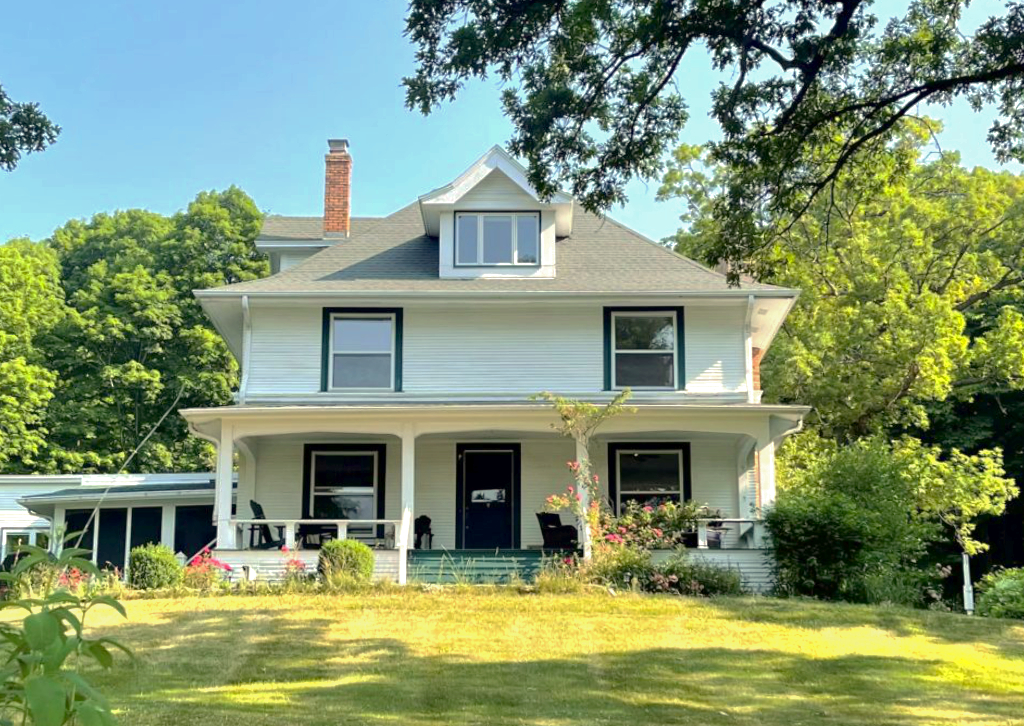
The Brigham Farmhouse is the old homestead of the family that owned the property when the cave was discovered—and still owns it today.
Conveniently located just up the hill from the cave, this stay is only a five minute walk from our front door.

GrandStay Hotel • Mt. Horeb
The GrandStay Hotel in Mount Horeb is a hotel with a selection of rooms and suites for both short and extended stays. The hotel includes an indoor pool with spa, exercise room, and pet-friendly rooms.
Use code CAVE to save 10% on your stay!
Sunniva Inn Bed & Breakfast • Mt. Horeb
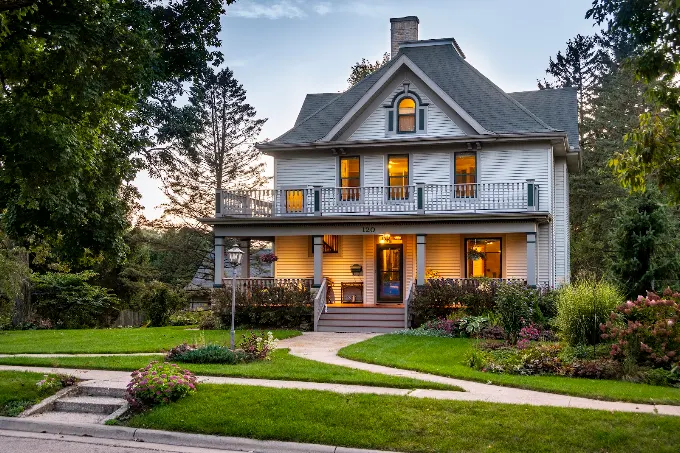
A charming 1903 Victorian whose name means “sunny gift,” Sunniva Inn is located a mere block off of main street Mt. Horeb, giving you easy access to shops, eateries, and a direct line to Cave of the Mounds.
Deer Valley Lodge • Barneveld
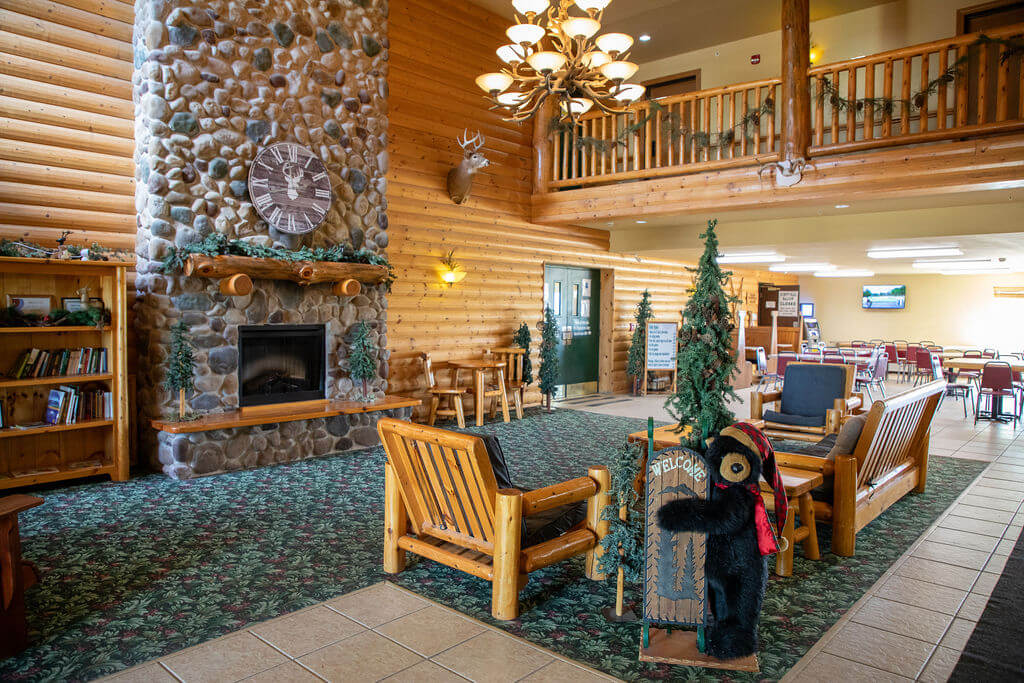
Deer Valley Lodge fully embraces the cabin-wilderness theme with antler-adorned sconces, river stone covered fireplaces, and handmade wooden furniture. The lodge is 4 stories and features whirlpool and balcony suites along with an indoor waterpark and attached golf course with 27 holes across three distinct courses.
House on the Rock Resort • Spring Green
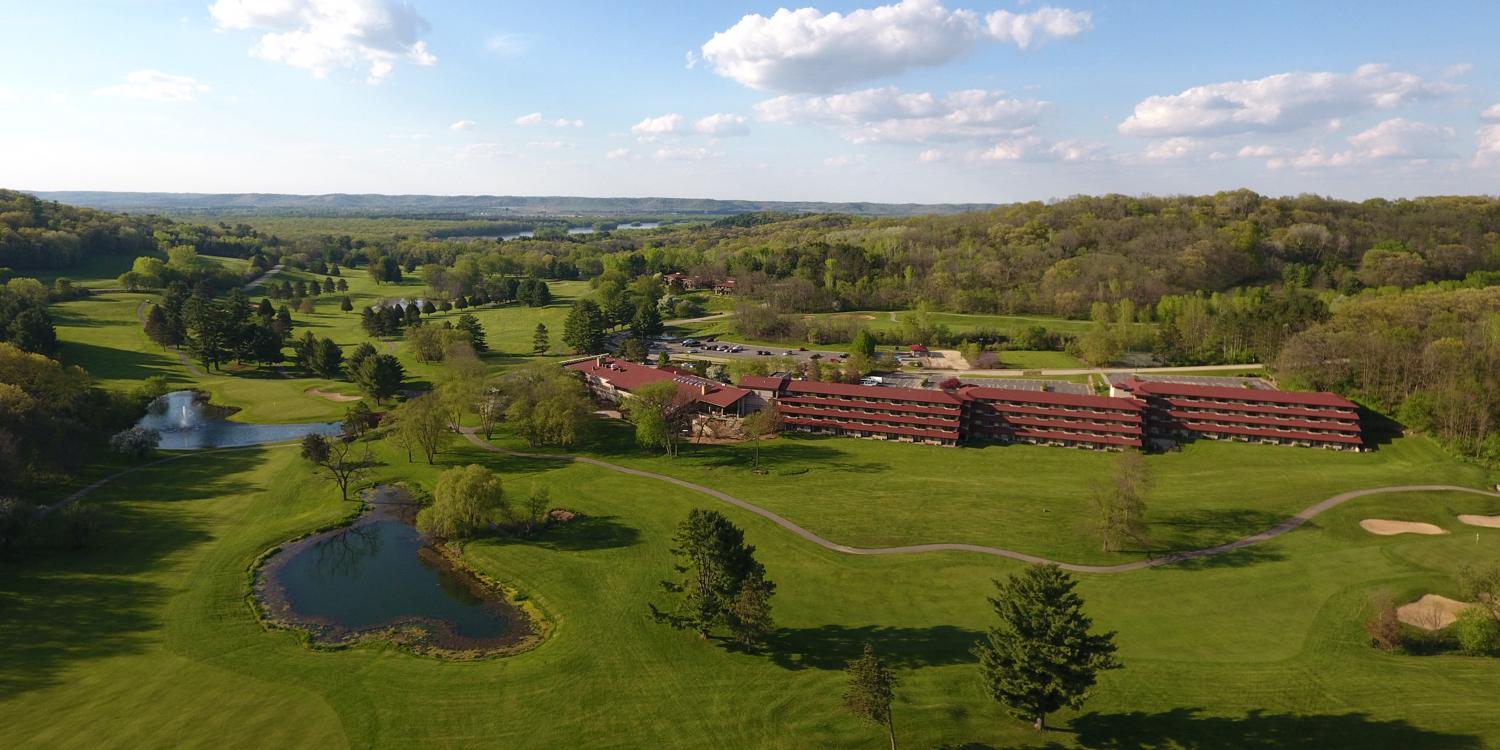
The House on the Rock Resort is located in the valley of the Spring Green hillscape and enjoys a location surrounded by activities: Taliesin, American Players Theater, and House on the Rock all sit within a few miles. On top of that, it features a spa and a 27 hole golf course along the rolling hills.
Brigham County Park
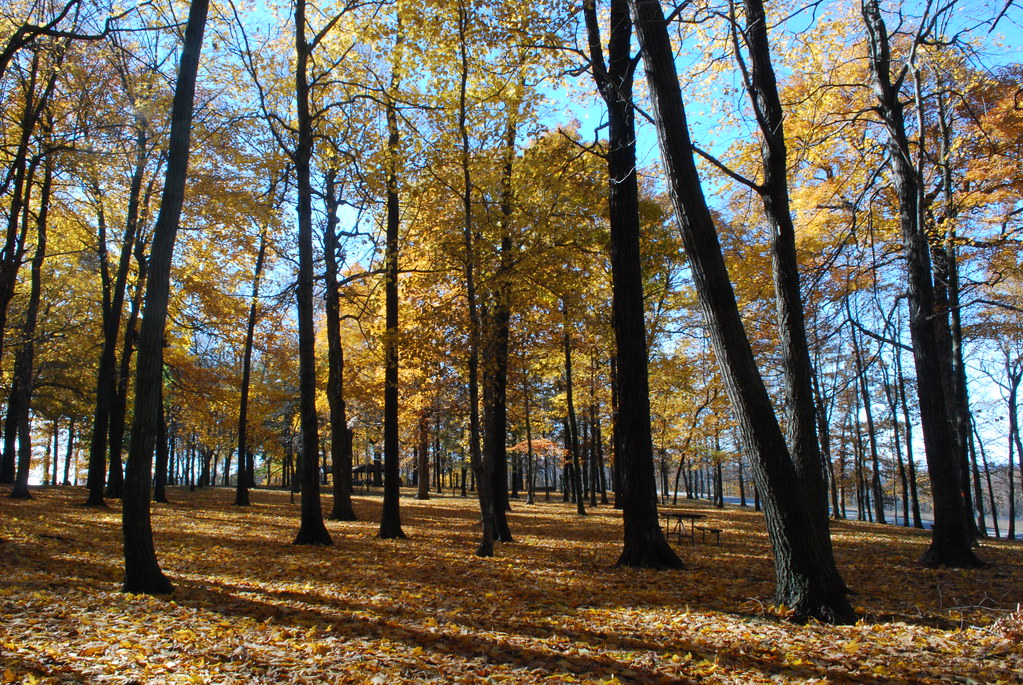
Located on the same hill as Cave of the Mounds, Brigham County Park offers views of the Wisconsin River valley along with trails and several campsites to choose from. The park was donated to the county in 1953 by Mrs. Charles I. Brigham and is a mere 3 minutes drive from the cave.
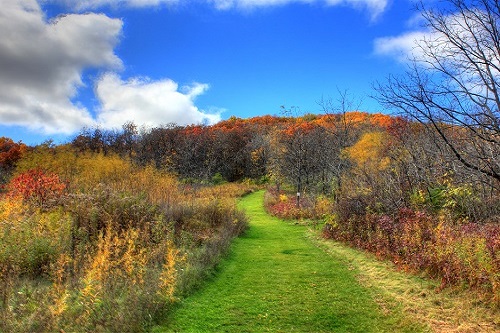
Blue Mound State Park
Set atop the highest point in southern Wisconsin, Blue Mound State Park was donated to the state by the Brigham family to be conserved and protected for future generations. It features hiking trails as well as the only swimming pool in a state park along with campsites.
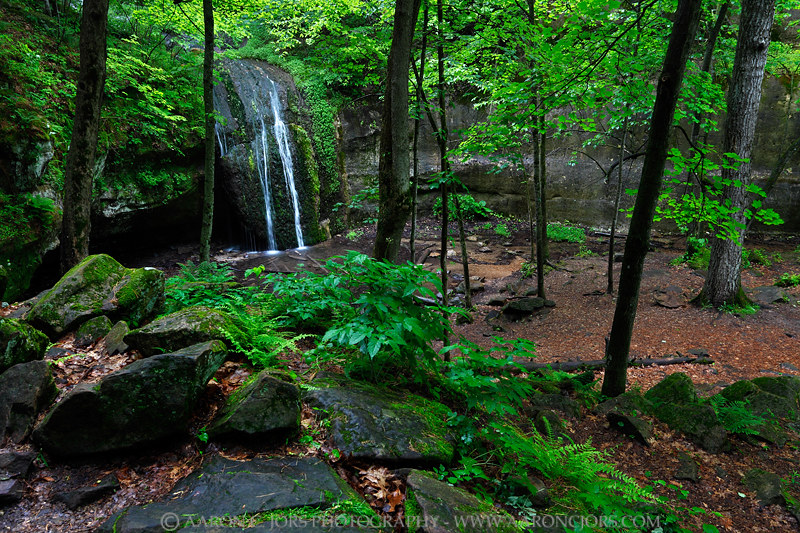
Governor Dodge State Park
One of the largest and lesser-known state parks in Wisconsin, Gov Dodge features twinned lakes with streams and waterfalls that cut through the woodland alongside small caves in the sandstone bluffs.
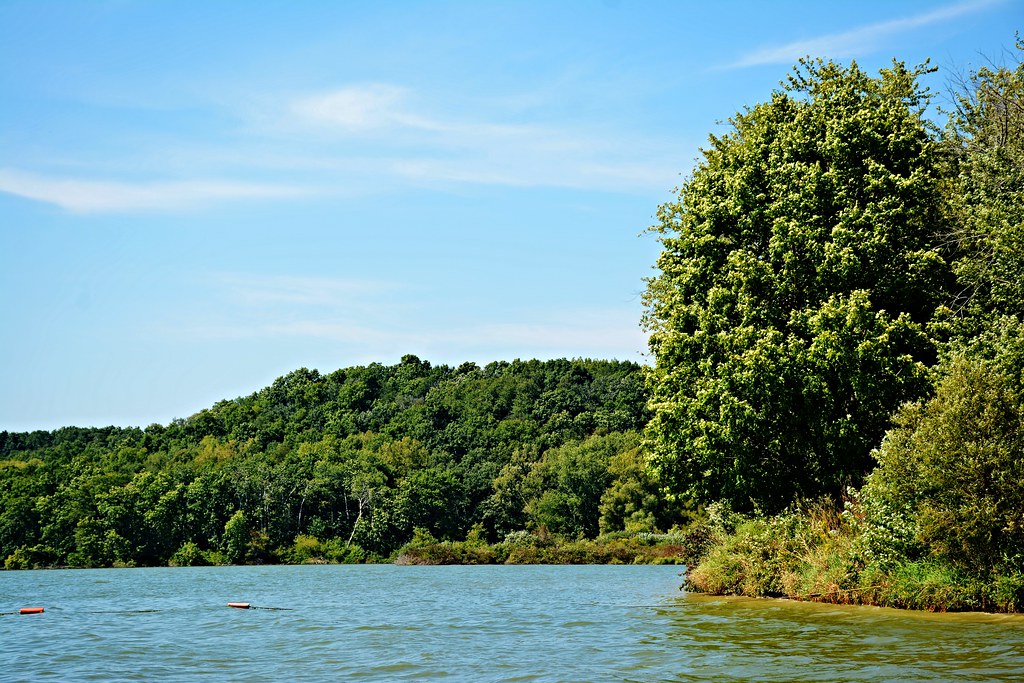
Yellowstone Lake State Park
An exceptionally popular lake for fishing, Yellowstone Lake offers camping at more than 100 sites throughout the park. Hiking is popular at any of their nine open trails at any time of year.