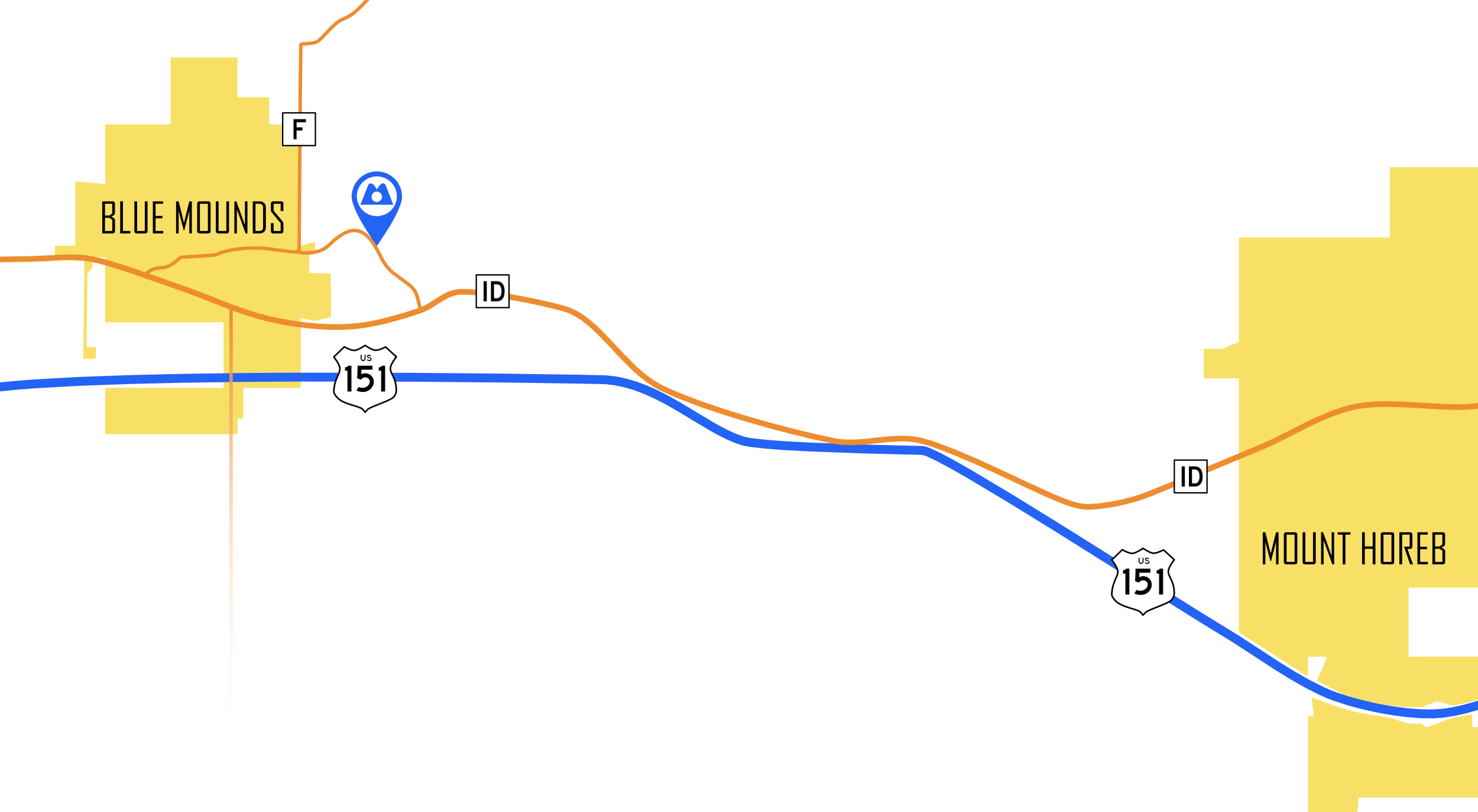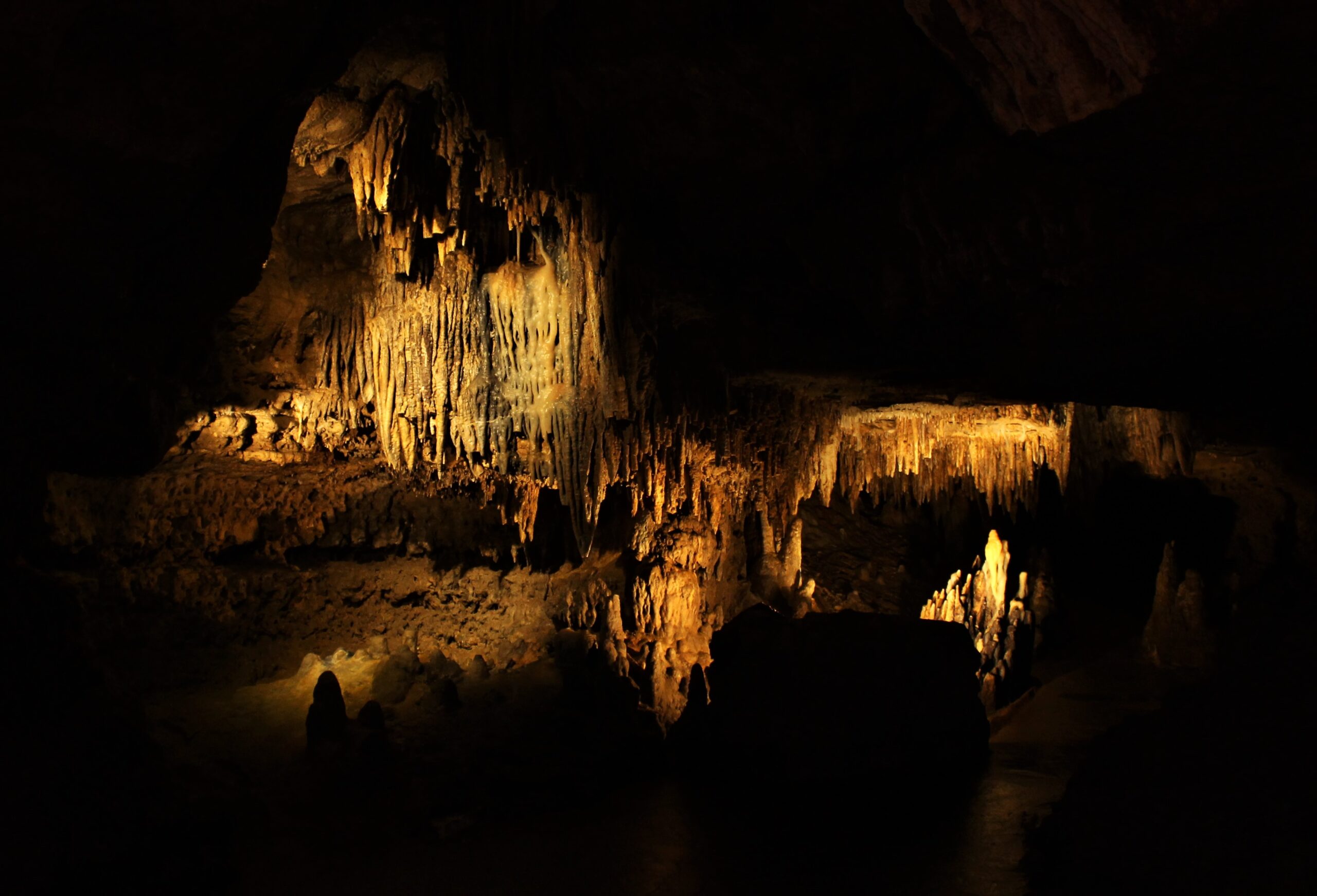

There are many hundreds of different rocks and over 6,000 minerals that we know about today. With that many stones, it can be hard to know which ones are which. Explore our glossary of minerals and fossils to learn what geologists look for when identifying rocks!
Rocks & Minerals
Minerals are solid, natural, inorganic substances that have a crystalline structure. They are often considered to be the building blocks of rocks, which are made out of two or more minerals. Rocks can be melted, but they always return to a solid state at room temperature.
AGATE
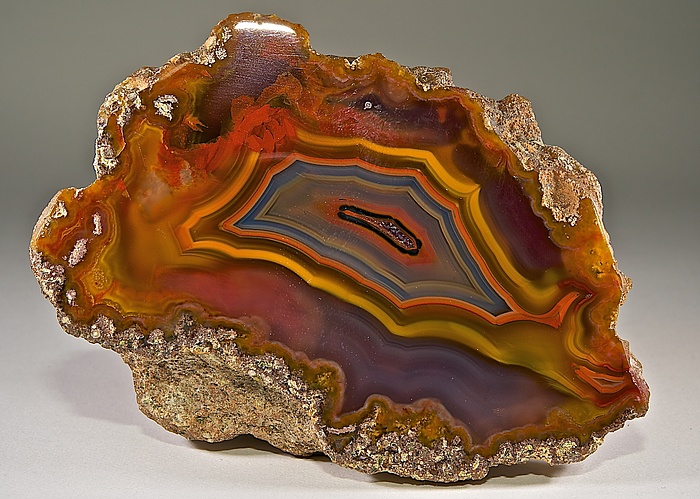
Mohs Hardness: 7
Rarity: Very Common
Agate is a type of crystalline quartz known as chalcedony that forms within cavities inside of igneous or sedimentary rocks. It is known for its banded appearance which is caused by different minerals that washed into the cavity and were deposited in the layers shown. It is a porous stone which allows it to readily accept dye, and many agates have dye introduced in order to emphasize banding or provide more interesting colors. Common sources for agate include Brazil, South Dakota, Minnesota, New Jersey, Iowa, and many other locations worldwide.
AMAZONITE
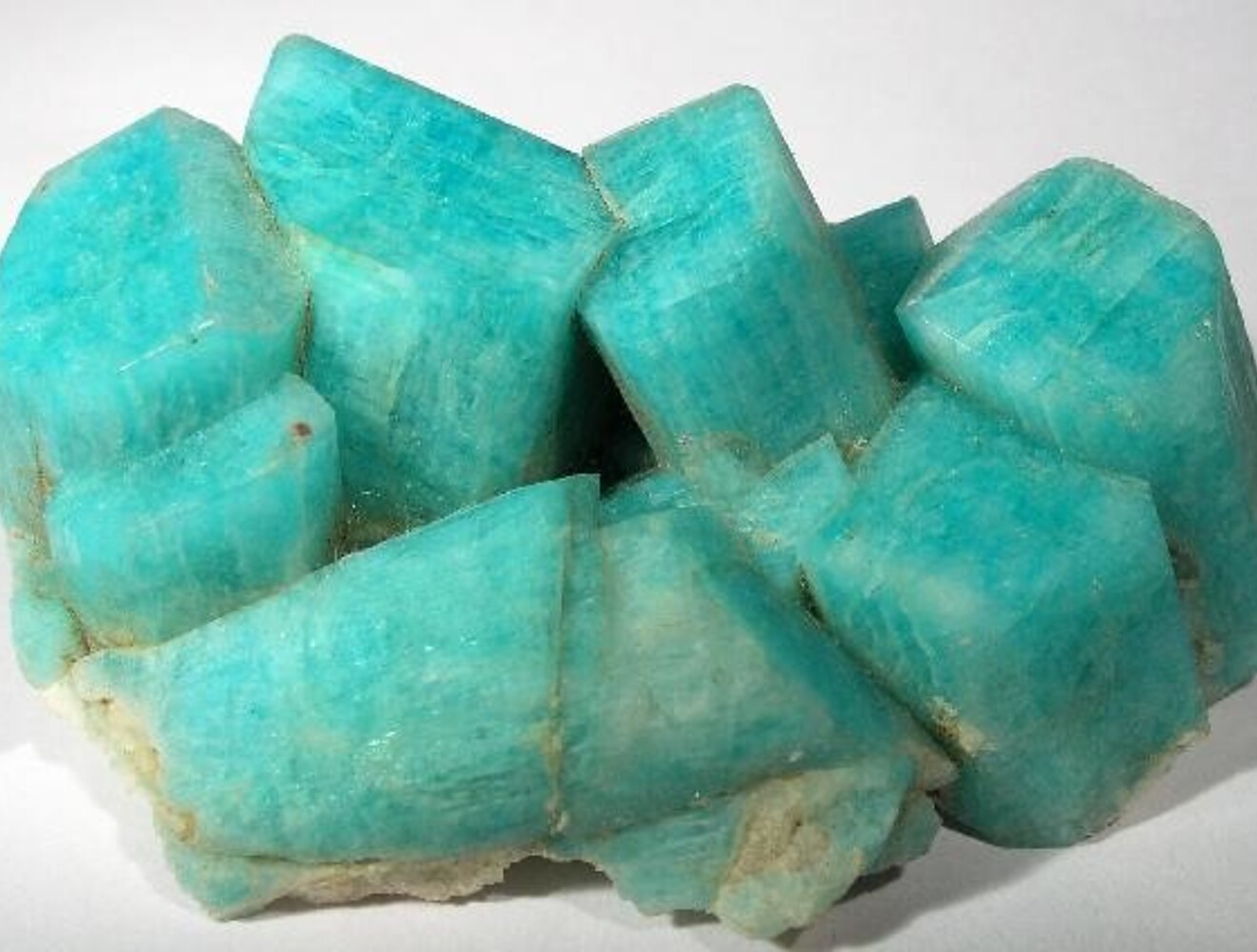
Mohs Hardness: 6-6.5
Rarity: Common
Amazonite is a type of potassium feldspar that breaks with an even, square surface. It has a bluish-green color that is thought to be caused by trace amounts of lead and is often found with white striations as well. It’s a fairly common stone that can be found abundantly in the United States, but the best jewelry-quality specimens are found in Russia. Interestingly, the stone is named for the Amazon River in South America, but there are no known sources of Amazonite anywhere near the river.
AMBER
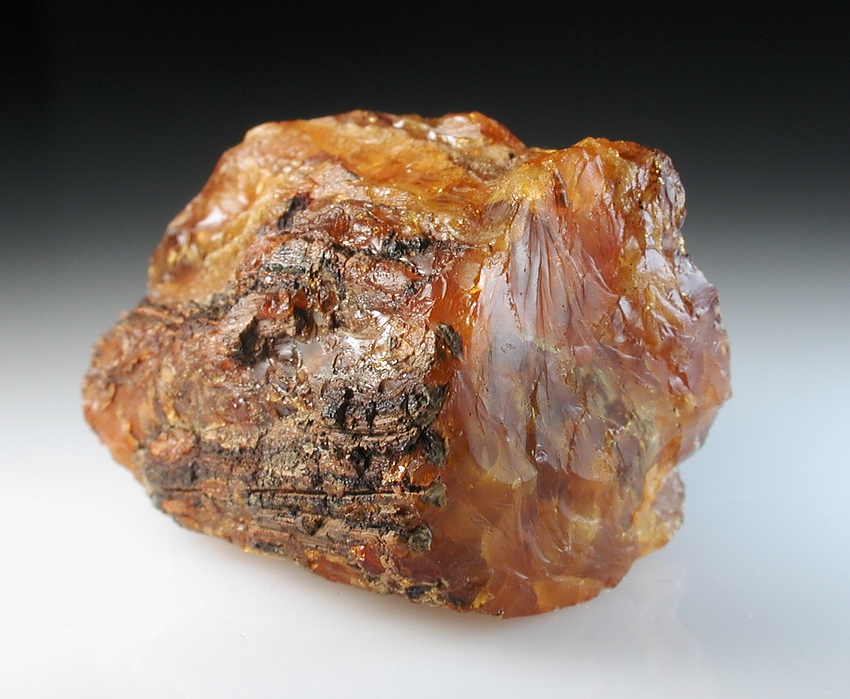
Mohs Hardness: 2-2.5
Rarity: Common
Amber is ancient plant resin that has fossilized into a hard, low-density stone. It isn’t actually a mineral at all, and is instead categorized as a “mineraloid” due to its organic compounds. It is also incredibly lightweight compared to its size and can be found all over the world. Amber is used in perfumes, as a medicinal agent, and as a precious stone in jewelry.
AMETHYST
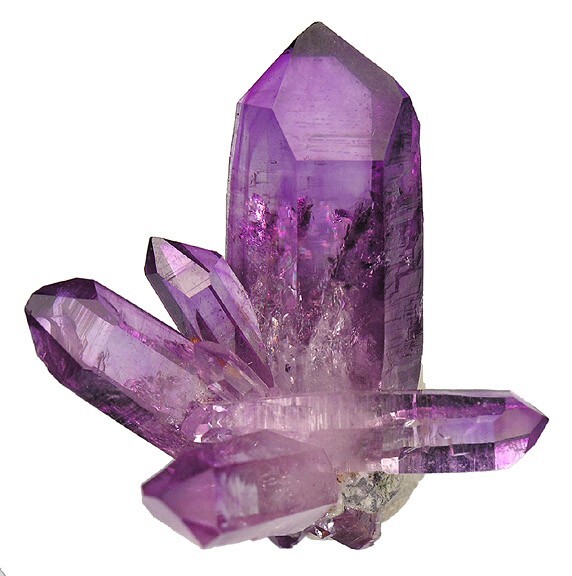
Mohs Hardness: 7
Rarity: Very Common
Amethyst is a variety of crystalline quartz. It forms crystals which are found as crusts lining holes in volcanic rock, and the purple color comes from when trace amounts of iron within the crystal are heated and exposed to radiation. The crystals are hexagonal and translucent and range from light violet to a deep purplish-red, with the deeper color being the most valuable. Like turquoise, the word ‘amethyst’ now refers to both a gem and a color. It is found commonly worldwide, but there are enormous deposits found in South America and Africa.
APATITE
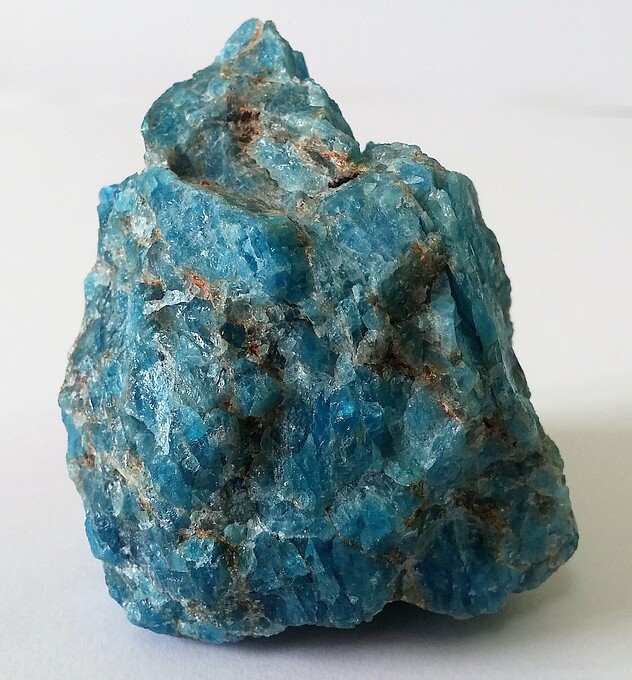
Mohs Hardness: 5
Rarity: Very Common
Not a single mineral but a group of several, apatite is a phosphate: the natural form in which we find the element Phosphorus. It comes in a wide array of colors ranging from green to yellow to blue to pink and even brown or purple. It is found in igneous, sedimentary, and metamorphic environments with the most important being the oceanic sedimentary deposits.
AQUAMARINE
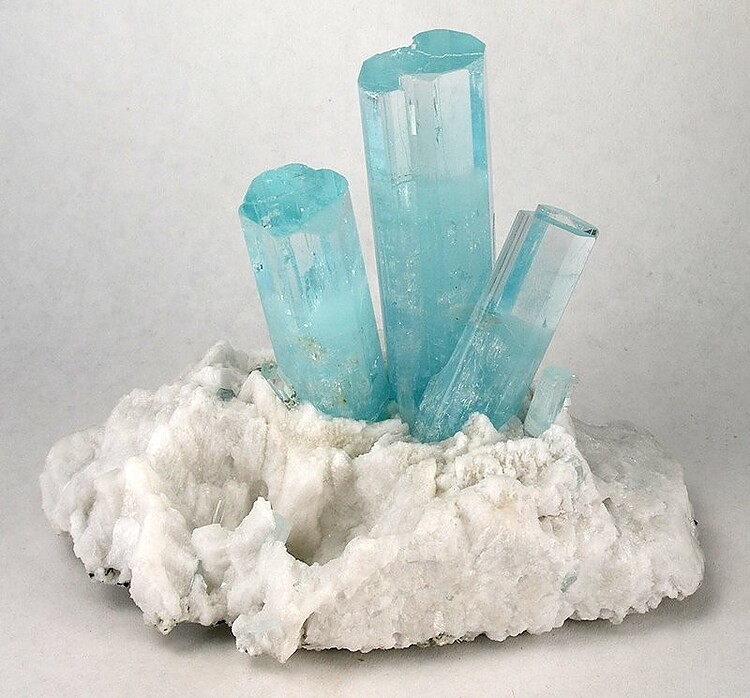
Mohs Hardness: 8
Rarity: Uncommon
Aquamarine is a type of Beryl that ranges in color from greenish-blue to bright blue; it gets its color from iron impurities within colorless beryl. Most aquamarine is very faintly colored with the most vibrant gems being the most valuable. It is the March birthstone and is found commonly in Pakistan and Arizona, USA.
ARAGONITE

Mohs Hardness: 3.5-4
Rarity: Common
Aragonite is a polymorph of calcite, meaning that it has the same chemical composition but a different crystal structure. This mineral forms in evaporite deposits of sedimentary rocks. It forms hexagonal crystals which range from transparent to translucent and are white or colorless with shades of red, yellow, brown, green, and blue. Aragonite is generally fluorescent under an ultraviolet light, and it is commonly found in Spain, France, England, Austria, Germany, and the Southwestern part of the United States. It is named for Aragon, Spain where it was first found.
AVENTURINE
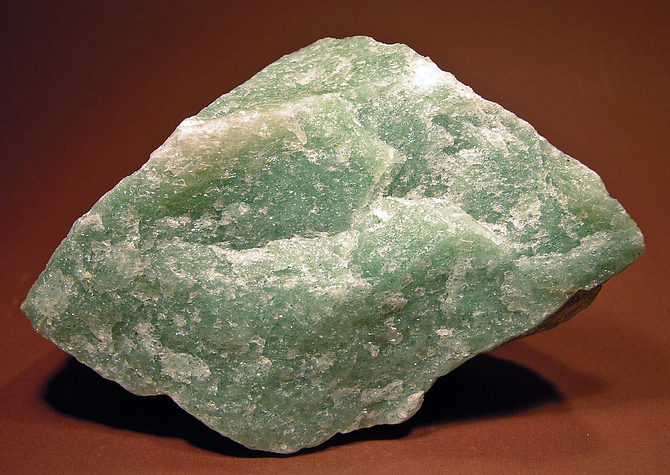
Mohs Hardness: 6.5-7
Rarity: Very Common
Yet another type of quartz, aventurine is typically green or blue in color but can also appear as nearly every other color of the rainbow. Aventurine contains inclusions of small flecks and plates that cause a sparkly, glittery appearance known as aventurescence which gives it great value as a gemstone. Most commonly, these inclusions are made of fuschite, a type of mica. While aventurine is found in many countries, India remains the top producer in the world. Its hardness varies depending on the amount of mica included, which generally makes it weaker.
BISMUTH
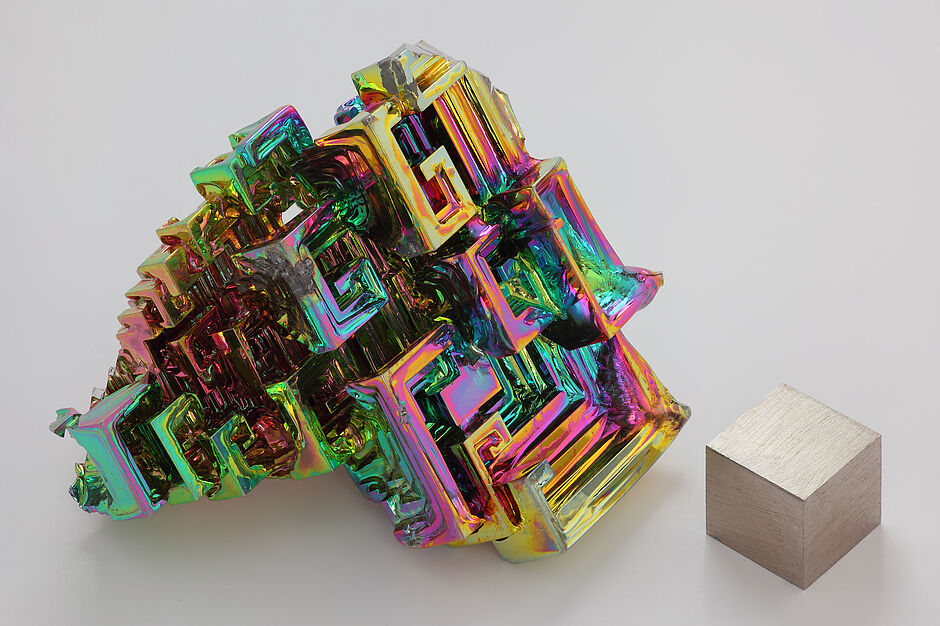
Mohs Hardness: 2-2.5
Rarity: Rare
A chemical, metallic element very similar to lead that tarnishes to a variety of pinks, blues, and yellows. The hopper structure for which Bismuth is known is virtually unseen in nature but will readily form under lab conditions. Originally thought to be the highest atomic number element that was stable, it was discovered in 2003 to be extremely weakly radioactive: its half-life is estimated to be more than a billion times the age of the universe.
BORNITE
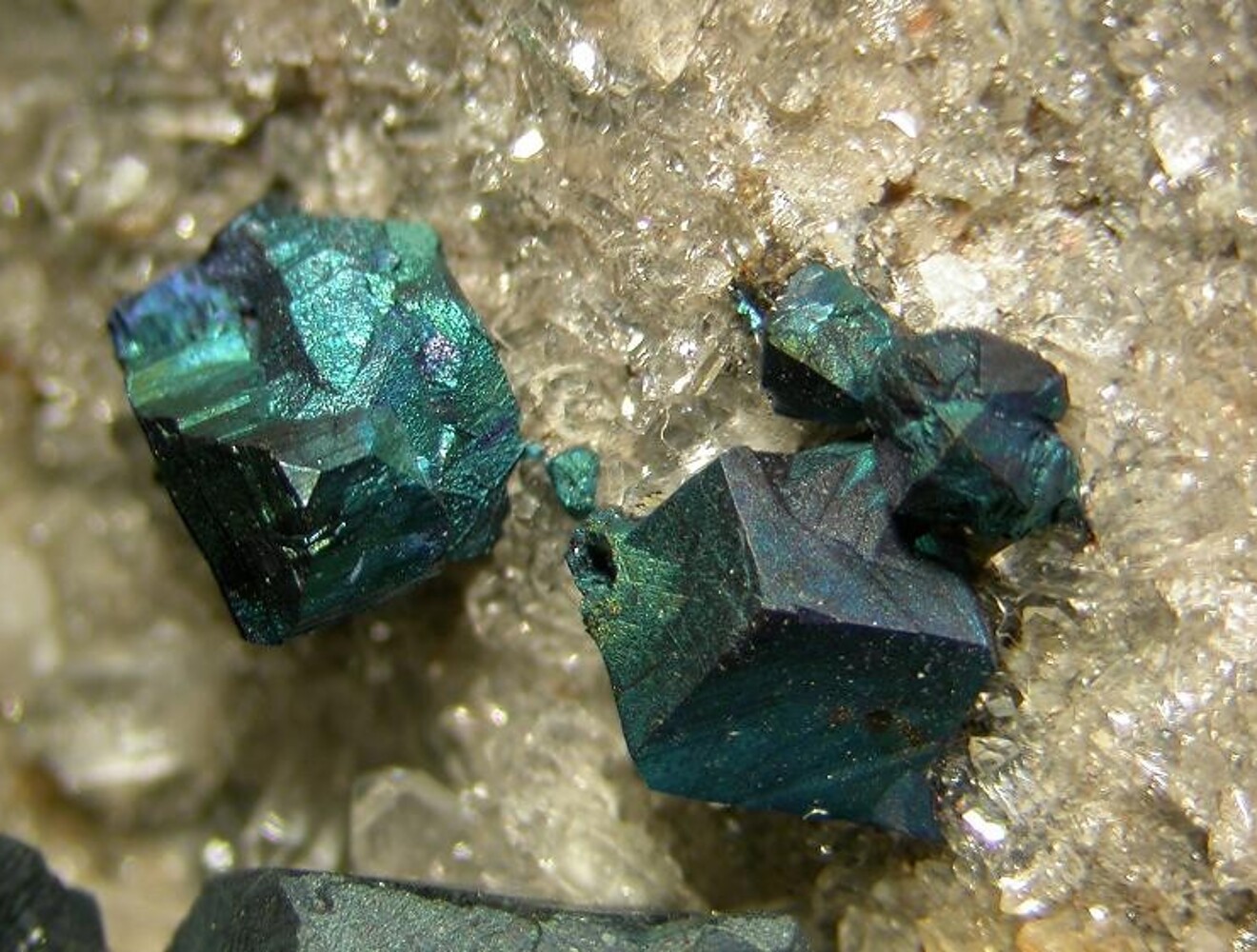
Mohs Hardness: 3
Rarity: Very Common
The truly named peacock ore, Bornite is a copper iron sulfide; the term “peacock ore” was given to Bornite by miners due to its colorful tarnish. It is found in crystalline varieties in England and France, but more massive varieties are found in the southwestern United States and are mined for their economic importance as an ore of copper.
CALCITE
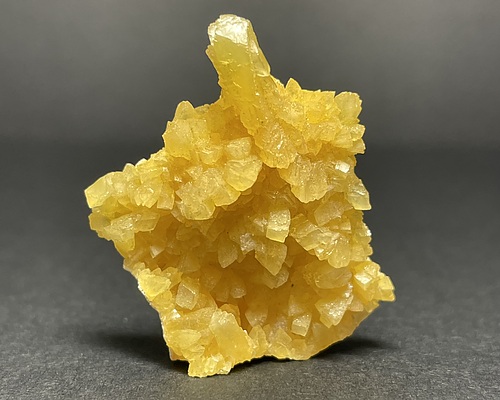
Mohs Hardness: 3
Rarity: Very Common
Calcite is an abundant carbonate mineral composed of calcium, carbon, and oxygen. It can appear in a greater variety of crystal shapes than any other mineral, and it is usually white but can also be found in shades of gray, green, yellow, orange, red, and blue. This mineral is what makes up the cave formations within Cave of the Mounds and many caves like ours, but it is found in many localities around the world–not just caves. Calcite is found in abundance within rocks like limestone and marble and is often used in the manufacturing of glass, cement, and steel.
CARBORUNDUM
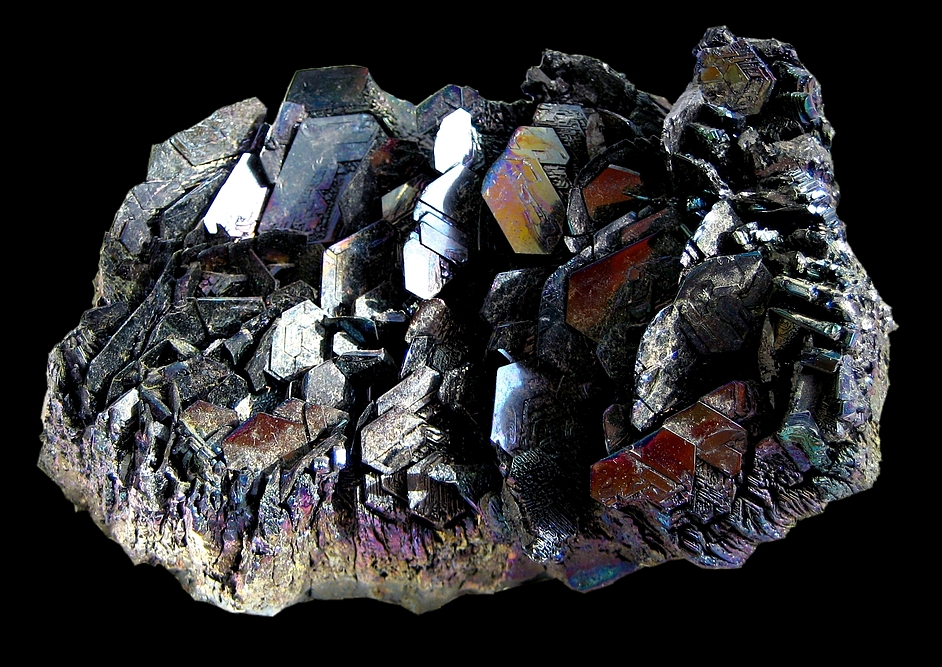
Mohs Hardness: 9
Rarity: Exceedingly Rare
More commonly referred to as Silicon Carbide, Carborundum is an almost entirely man made semiconductor. It is only found in nature in the incredibly rare mineral moissanite. It is used widely due to its hardy, high abrasive qualities in anything from car brakes to bulletproof vests to sandpaper to LED lights.
CELESTINE
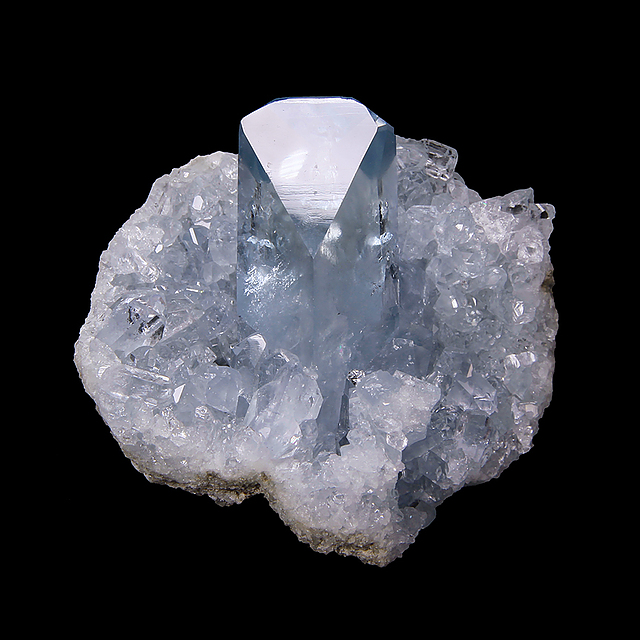
Mohs Hardness: 3-3.5
Rarity: Very Common
Also known as celestite, celestine is composed of strontium sulfate and usually forms prismatic crystals that appear in a variety of colors between white, blue, and yellow. Celestine is very useful in industry and prized by mineral collectors; it is used to create a crimson flame in fireworks and in the manufacturing of rubber, iridescent glass, and porcelain. Celestine is found in virtually every continent around the world, and some of the best gem-quality specimens come from the state of Ohio.
CHALCEDONY
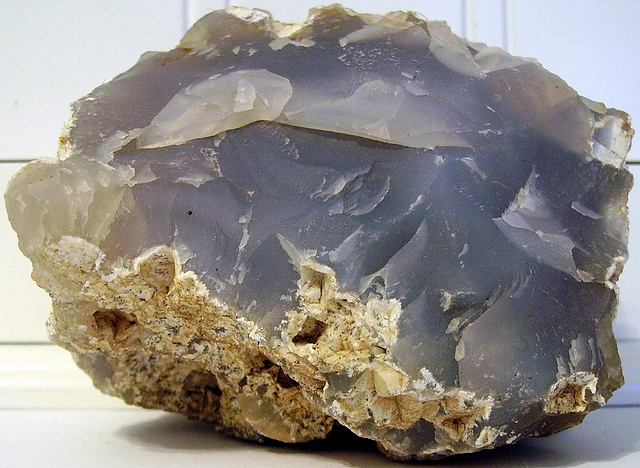
Mohs Hardness: 7
Rarity: Very Common
Chalcedony is a microcrystalline variety of quartz and comes in a variety of familiar appearances: Agate, Jasper, Onyx, Aventurine, Carnelian, Tiger’s Eye, and Bloodstone are all different types of chalcedony. It has a waxy luster and comes in varying colors and levels of transparency.
CHALCOPYRITE
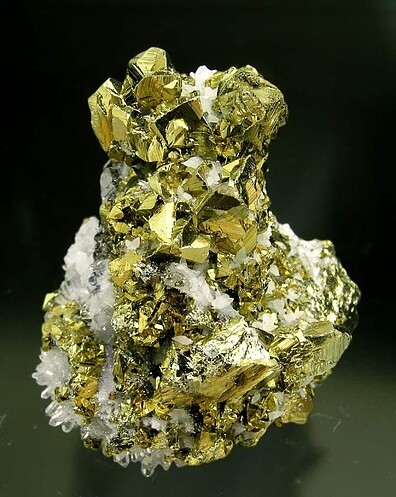
Mohs Hardness: 3.5-4
Rarity: Very Common
Chalcopyrite is a copper sulfide and, as the name would suggest, is a type of pyrite. It is known for its bright, colorful, iridescent tarnish that appears when exposed to acid, causing a variety of blues, purples, reds, oranges, and greens. Despite its popularity as a collector’s piece, chalcopyrite is in fact the world’s most important source for copper and has been since smelting began thousands of years ago; the most significant deposits are hydrothermal in origin.
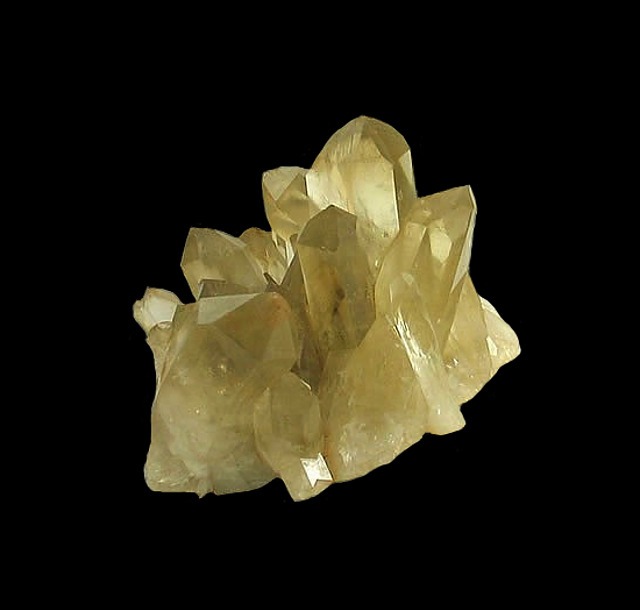
CITRINE
Mohs Hardness: 7
Rarity: Rare
The name citrine comes from the French word citrin meaning “the color of lemon,” and it is yet another variety of quartz. Citrine is white or clear with tints of yellow, orange, or reddish brown due to small inclusions of iron. While gem quality citrines are not as common, it was discovered that heating low-quality amethysts will produce gorgeous citrine. Natural specimens are commonly found in Brazil, Russia, France and Madagascar. Citrine is often used as the birthstone for November as a substitute for the more expensive topaz.
COMMON OPAL
Mohs Hardness: 5.5
Rarity: Very Common
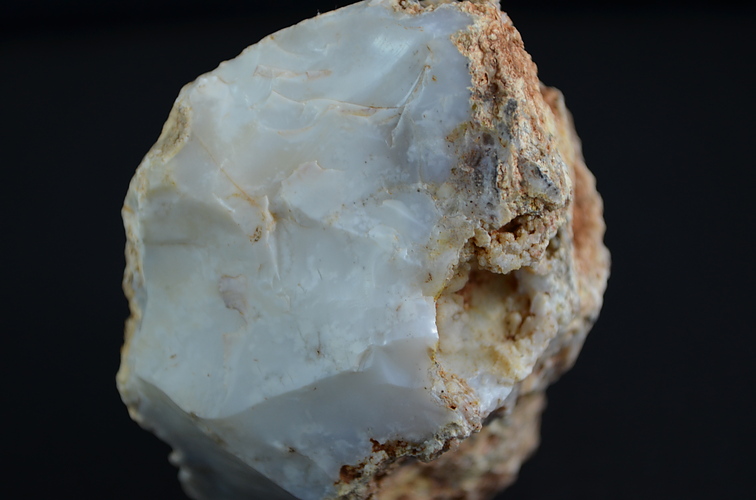
Common opals, or “potch,” do not display any of the play-of-color that gemstone opals do and instead have a solid marbling of milky color throughout. They are most commonly associated with volcanic activity and ashfalls but can also be found beneath sedimentary environments. Because sedimentary and igneous environments are very common, opal can be found in a wide breadth of localities around the world.
COPPER
Mohs Hardness: 3.5
Rarity: Very Common
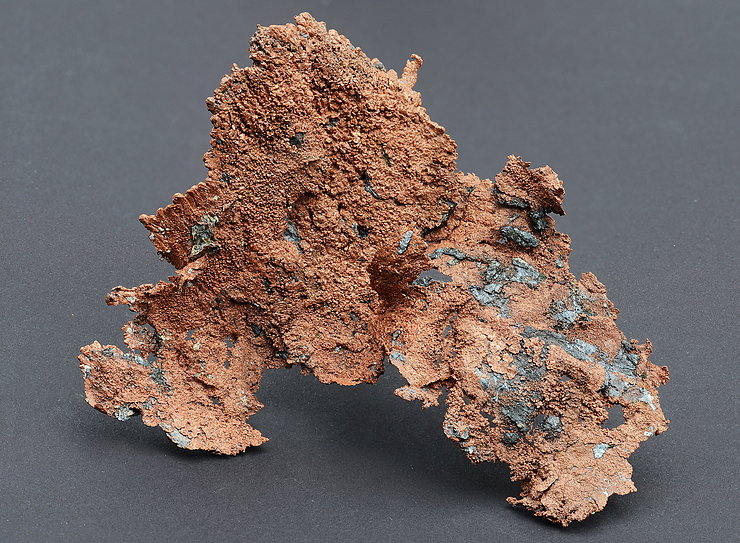
Copper was one of the first metals to be utilized by early humans and has many different uses today, most commonly as electrical wire since it is incredibly malleable and an excellent conductor of electricity. It is one of very few metallic elements that occurs in its native form–as in, purely copper with no inclusions or impurities; however, it is much more commonly found oxidized and mixed in with other elements. The largest Native Copper deposit in the world is in Keweenaw on the Michigan Upper Peninsula. The Keweenaw deposit has been getting mined for copper since around 5000 B.C.E..
DIAMOND
Mohs Hardness: 10
Rarity: Very Common
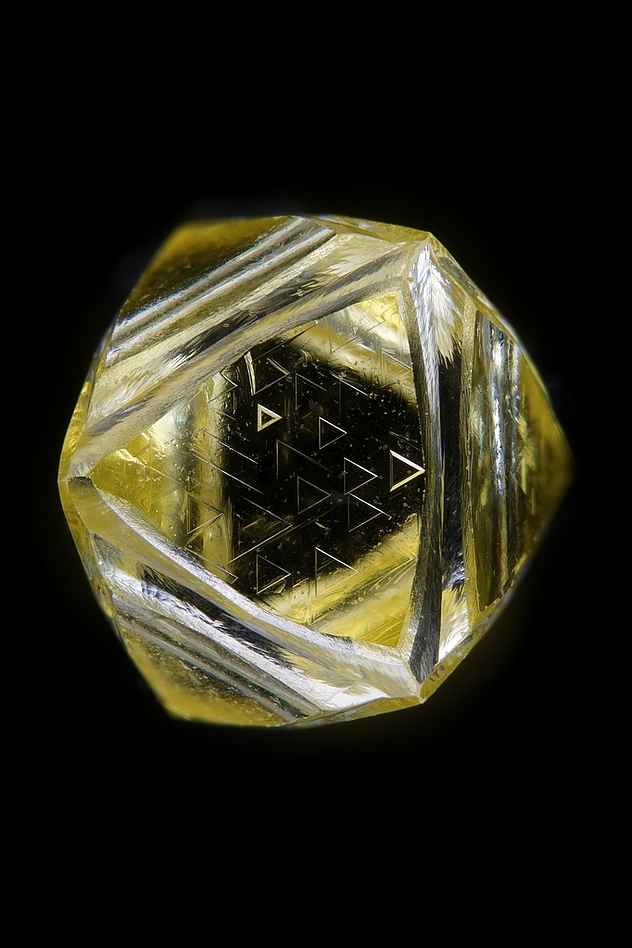
Diamonds are among the most famous of all gemstones. They are made from superheated and pressurized carbon, and they are abundantly found throughout the Earth. They form in extreme conditions: asteroid impacts, meteorite impacts, subduction zones, or deep source eruptions (i.e. volcanic eruptions from up to 100 miles beneath the surface) are the main ways that diamonds can form. Diamonds are most commonly brown or yellow in color, but can also be found in white, red, orange, yellow, green, blue, purple, pink, and black. Vibrantly colored diamonds are known as “fancies” and can sell for many thousands or even millions per carat. They are incredibly popular as a gemstone due to their adamantine luster, but they are more commonly used as industrial abrasives or as reinforcements in heavy-duty tools. Diamonds are the hardest known naturally occurring material.
EMERALD
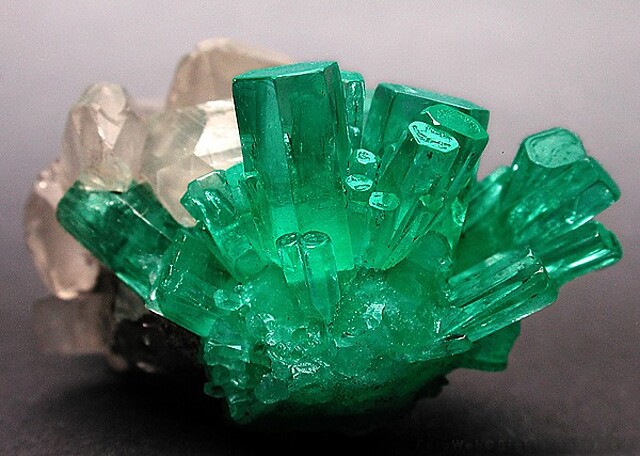
Mohs Hardness: 7.5-8
Rarity: Common
Emeralds are a type of the mineral beryl whose color comes from small amounts of the elements Chromium and/or Vanadium. Because of this vibrant color, it is one of the most sought after gems in the world and outsells both ruby and sapphire combined. Emeralds are found all over the world, even in states like Connecticut, Montana, Nevada, and North and South Carolina; however, the majority of emeralds are harvested in Colombia.
FLUORITE

Mohs Hardness: 4
Rarity: Common
Fluorite is a mineral that forms in octahedron and cube crystals which are fully transparent when pure but are often filled with mineral impurities–aluminum, iron, or manganese–that give it a range of color: purple, blue, pink, and green are most commonly seen. Fluorite is the original fluorescent mineral and is where the word fluorescence is derived from. It is found in England, Switzerland, Mexico, China, and the USA in states such as Illinois, Kentucky, New Mexico, and New York. It is mined for use in making steel, enamels, aluminum, glass, and many chemicals. Illinois is the largest U.S. producer of Fluorite and has fluorite as its state mineral.
FOSSILIFEROUS STONE
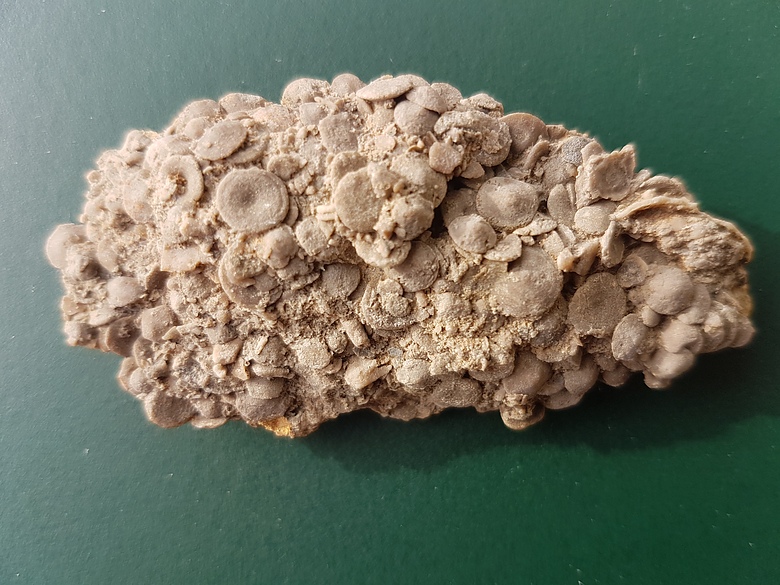
Mohs Hardness: Varies
Rarity: Very Common
In geology, a rock is referred to as “fossiliferous” if it contains an abundant amount of fossils to the point where entire layers are comprised of fossilized material. Limestone is a very common rock in which to see this phenomenon. Since limestone forms at the bottom of the ocean, fossils within it often include cephalopod shells, gastropod shells, crinoids, bryozoan, brachiopods, and corals. On most specimens, it is very easy to see the fossils contained within the rock, and the types of fossils within can clue geologists in on the age of the rock itself.
GALENA
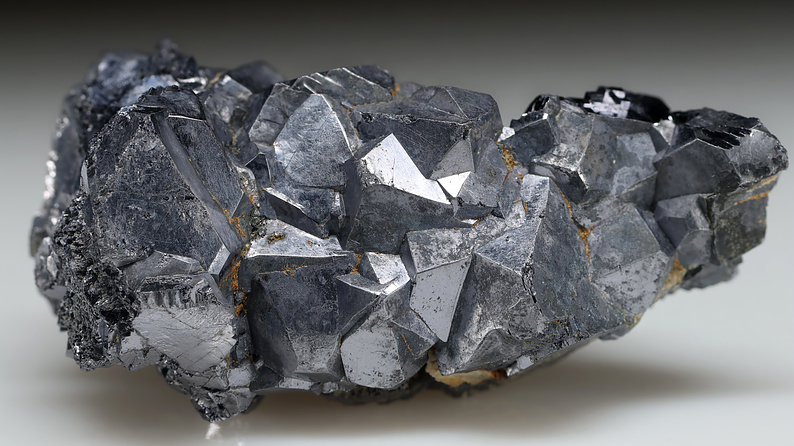
Mohs Hardness: 2.5
Rarity: Common
The Latin name for lead ore, Galena is composed of both lead and sulfur. Galena was mined extensively in southwest Wisconsin during the 1800s when a demand for white paint–which is made from lead–exploded in the Eastern United States; this mining attracted many of the first settlers to this area including our own Ebenezer Brigham, whose descendants now own Cave of the Mounds. Galena is easily distinguished from other minerals by its metallic luster, cubic formation, and surprisingly high weight relative to size. Interestingly, some galena is harvested exclusively for its silver content due to the much higher price of silver in comparison. On the planet Venus, it was discovered that its volcanoes frequently spew out the gaseous forms of lead and sulfur which, upon reaching high enough in the atmosphere, condense into lead; this means that it literally rains galena on Venus. It is Wisconsin’s official state mineral.
GARNET
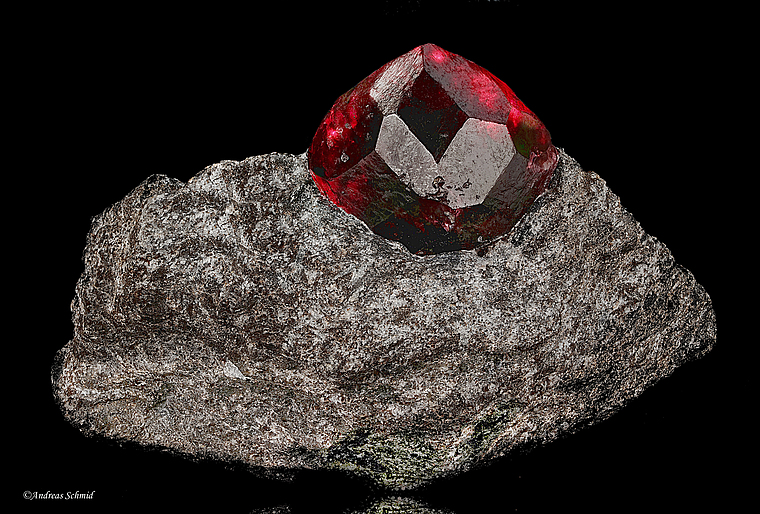
Mohs Hardness: 6.5-7.5
Rarity: Varies
While known traditionally to be a deep red gem, Garnet comes in a wide variety of colors ranging from the classic red to orange, yellow, green, and pink. This range can be attributed to the fact that Garnet is not just one mineral, but a set of several. It is found all over the world in all types of rock, but it is commonly found in metamorphic rocks. Aside from its use as a gemstone, it is also used for industrial purposes such as waterjet cutting, water filtration, and as abrasive blasting material. Garnet is the birthstone for January.
GEODE
Mohs Hardness: Varies
Rarity: Very Common
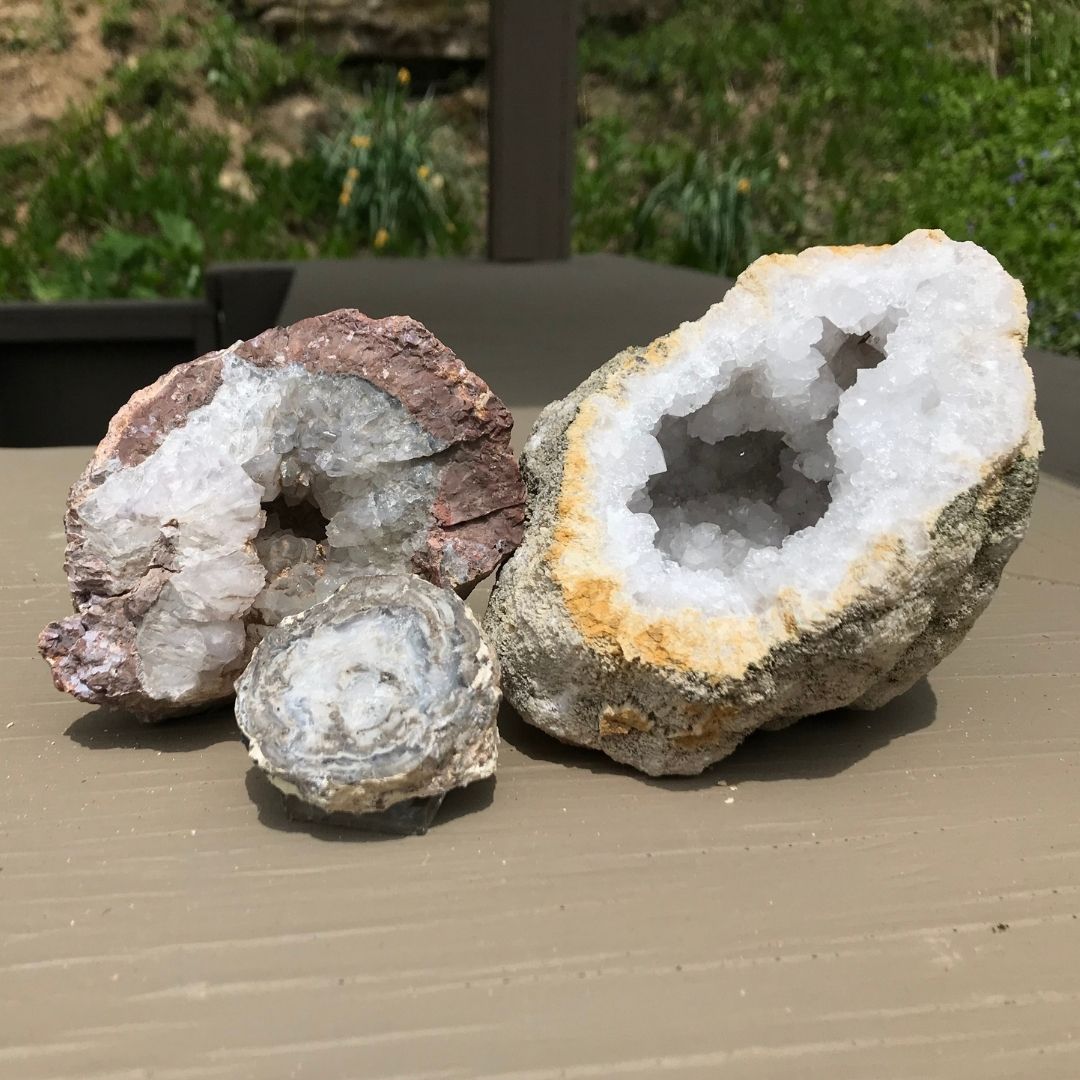
Despite their inconspicuous appearance, these rounded stones are filled with precious crystals never before exposed to the world. Each geode starts out as nothing more than a hole in the rock, either from air bubbles in igneous rock or from acid and decaying matter in sedimentary rock. Once the hole has formed, mineral-laden water can freely enter and slowly begin depositing minerals inside. Over hundreds–or even thousands–of years, magnificent crystalline structures grow to fill in the cavity. Quartz is the most common to find inside, but any water-soluble mineral can fill the space.
HALITE
Mohs Hardness: 2.5
Rarity: Very Common
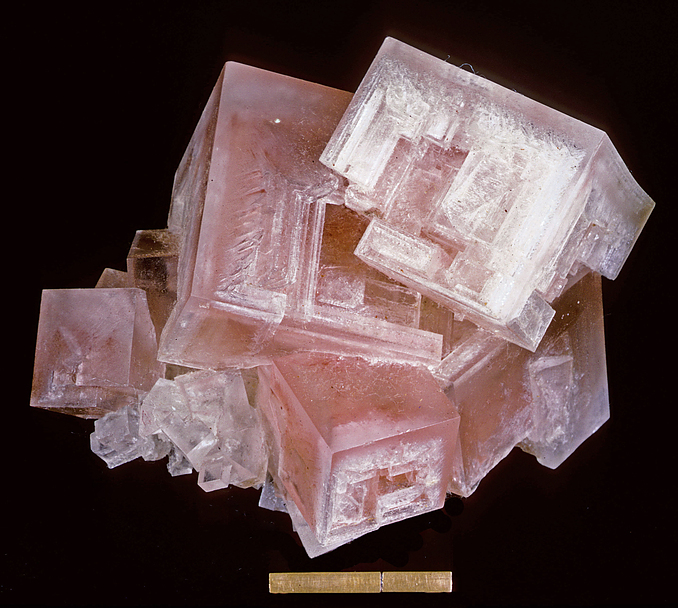
Formally known as sodium chloride, you may know halite better as rock salt. Halite is usually colorless, but may be yellow, orange, blue, or pink due to impurities. It is an evaporite, meaning it occurs as beds of mineral which are created as a body of water dries up. Halite is used as a food additive as well as for melting ice, but it is also a popular mineral for creating lamps and candles. Historically, salt was used to preserve foods–particularly meats–before the advent of refrigeration, making it incredibly valuable as a resource. Halite is found worldwide and is most commonly mined in Pakistan, Poland, and Iran although the United States has several deposits as well.
HEMATITE
Mohs Hardness: 6
Rarity: Very Common
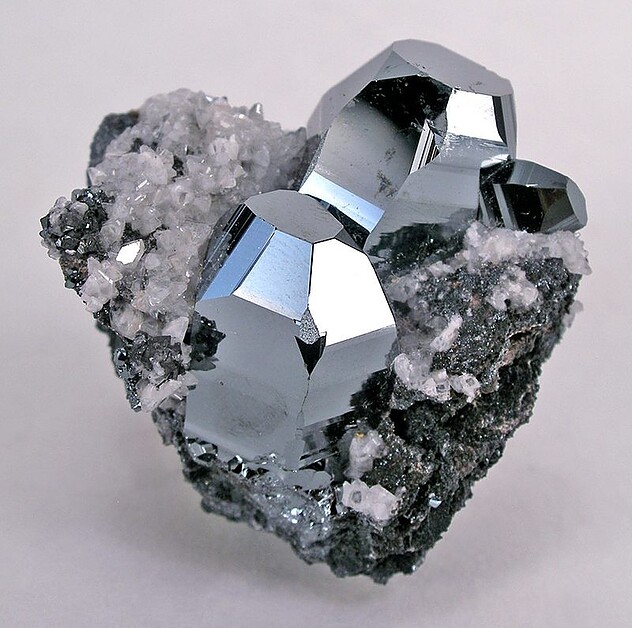
The most important iron ore, Hematite has been used around the world since the dawn of civilization. It ranges in color from dull or shiny grey to reds and browns; it is not naturally magnetic in its pure form, and any magnetic specimens can usually be assumed to contain magnetite. Hematite is easily identified by scraping it against a ceramic plate, which reveals a red streak. Due to this, artists ranging from the Renaissance all the way back to ancient cave painters were known to utilize hematite as a red pigment. Additionally, the name hematite is derived from the Greek word “haimatite,” meaning “bloodlike” in reference to this red streak. Hematite is found in many places in North America including New York, Michigan, Minnesota, and Arizona.
KYANITE

Mohs Hardness: 4.5-5, 6.5-7
Rarity: Common
A beautiful blue mineral, Kyanite is found in metamorphic rocks that were originally sedimentary before being heated and pressurized. It typically forms as long, bladed crystals but can also be found as radiating crystals that form in clumps. Kyanite is used mainly for its heat-resistant properties in things like saw blades and kiln furnaces, but it can also be found as an additive in porcelain. Interestingly, Kyanite has two separate hardness ratings: 4.5-5 on the parallel of the crystal, and 6.5-7 if tested on the short end of the crystal. For this reason, Kyanite was originally named “Disthene,” meaning “two strengths.”
LABRADORITE
Mohs Hardness: 6-6.5
Rarity: Common
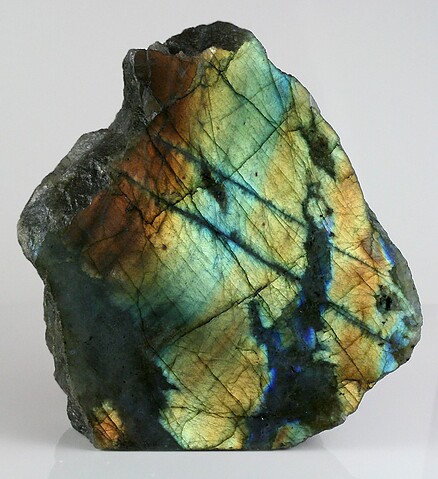
Well known for its beautiful iridescence, Labradorite is found mostly in igneous rocks but can be found in rock of any type. The beautiful color display is known as labradorescence and is caused by light striking twinned structures within the stone and reflecting back. Specimens with particularly impressive labradorescence are known as spectrolite. It is named for its place of discovery on the Isle of Paul in Labrador, Canada.
LARIMAR
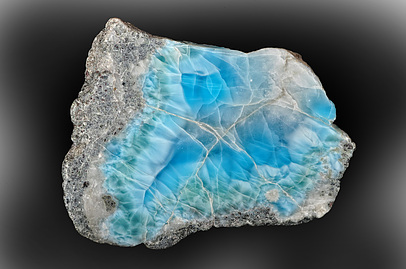
Mohs Hardness: 4.5-5
Rarity: Rare
Found only in a select area in the Dominican Republic, larimar is a bright blue stone reminiscent of the color of the Caribbean Sea. It is a type of pectolite, a silicate of calcium and sodium, but it contains copper in place of the foundational calcium of regular pectolite. It is named for the daughter of one of the re-discoverers of the stone, Larissa, and the Spanish word for sea, “mar”.
LIMESTONE
Mohs Hardness: 2-4
Rarity: Exceedingly Common
Limestone is a sedimentary rock that generally forms in marine environments, meaning that it used to be the ocean floor once upon a time. It is the bedrock layer of much of Wisconsin, and it is within this rock that Cave of the Mounds formed. In fact, most caves around the world are within limestone rock. Limestone contains high amounts of calcite, aka calcium carbonate, from the dissolution of shells and dead coral reefs into the sediment. It has many uses ranging from construction to toothpaste and can be found on virtually every continent around the globe.
MALACHITE
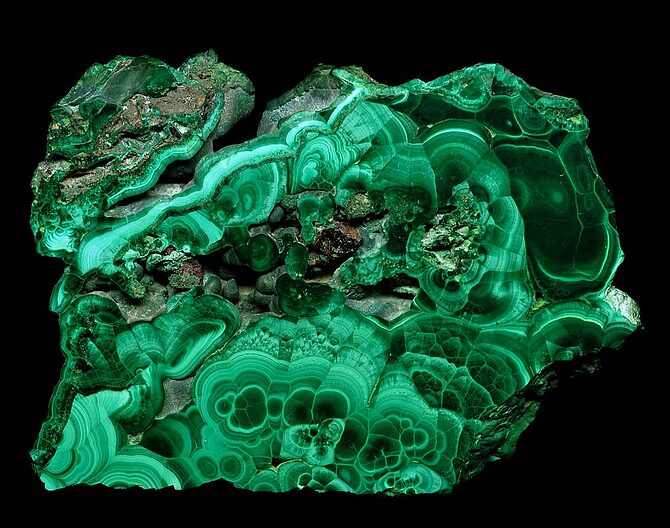
Mohs Hardness: 3.5-4
Rarity: Uncommon
Malachite is a popular stone due to its striking color and banded appearance. It is a copper carbonate and was initially used as a source for copper for early civilizations. In modern day, it is used as a gemstone or sculpting material due to the discovery of more efficient copper deposits. It is often found in the form of speleothems within limestone caves in areas like Russia, the Republic of Congo, Australia, France, and Arizona. Many sources of malachite are being depleted due to its popularity, making it an increasingly rare stone.
MARBLE
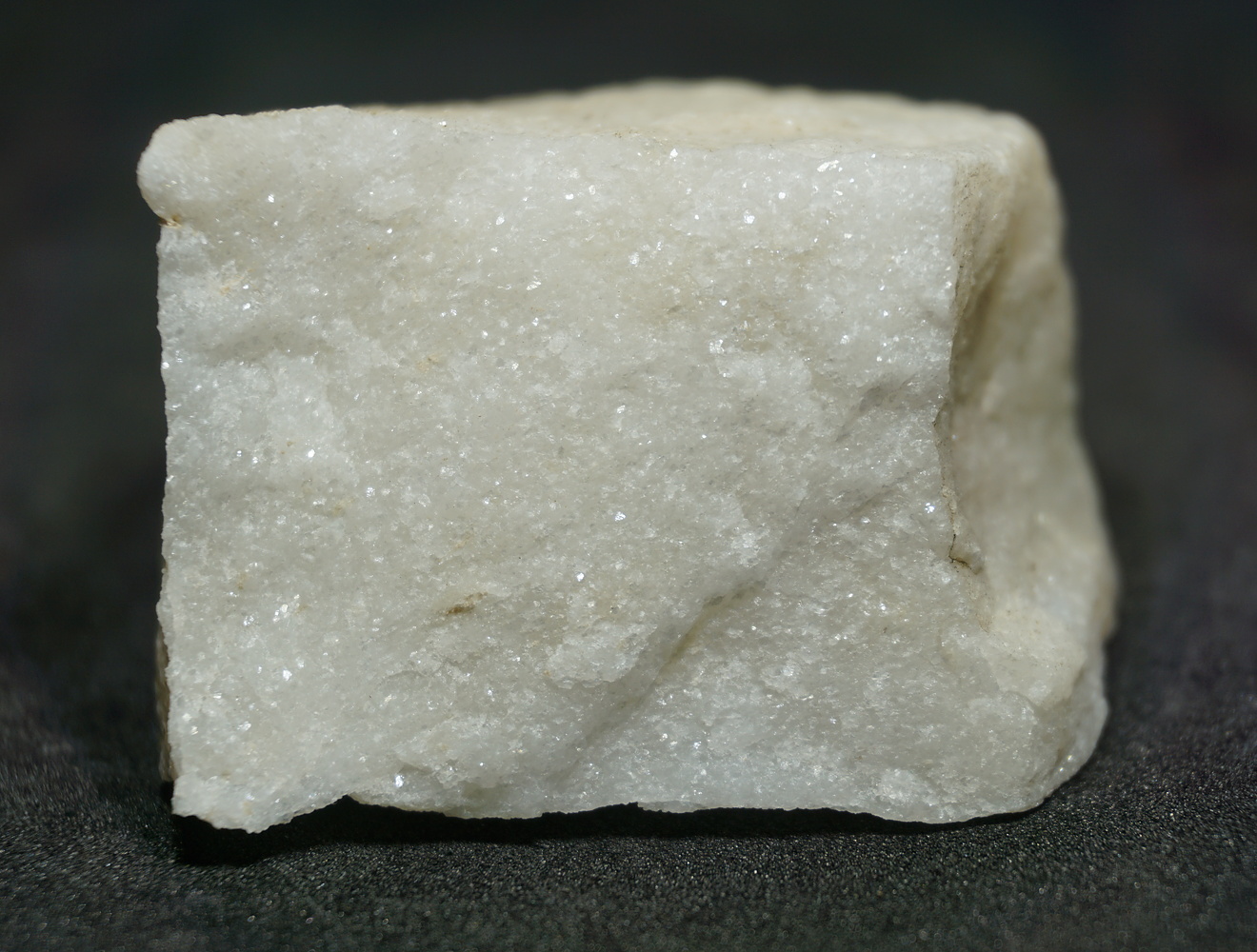
Mohs Hardness: 3
Rarity: Very Common
Marble is a metamorphic stone that forms when limestone is heated and pressurized. This heat and pressure is what causes the formation of gradually larger and larger crystals until eventually a solidly crystalline stone is formed; for this reason, most marble is found at convergent plate boundaries. While generally white in color, marble is known to be blue, grey, pink, yellow, and black. Most of the marble harvested today is used for construction or architectural purposes such as roads, monuments, and paving stone. Marble is very well known for its effervescent properties, meaning that it will bubble when put in contact with acid. This reaction is from the calcium carbonate within the marble working to neutralize the acid.
MICA
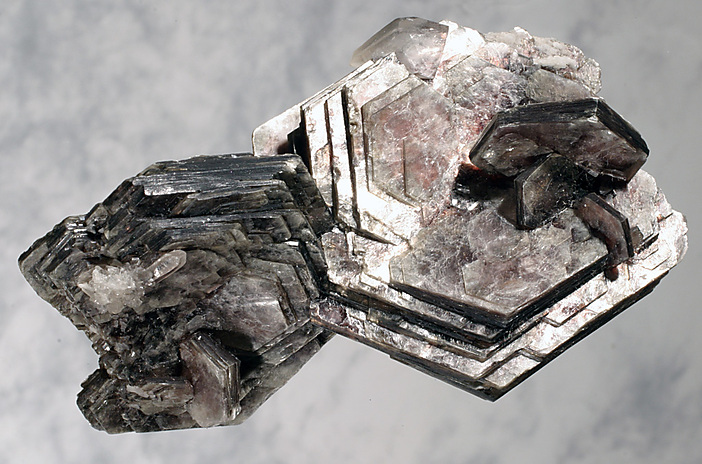
Mohs Hardness: 2-4
Rarity: Very Common
Mica are a set of silicate minerals that are all similar in physical and chemical composition; the four most common types are purple lepidolite, black biotite, brown phlogopite, and clear muscovite (pictured). Mica is unique in that it has perfect basal cleavage, meaning that it forms in sheet layers that can be pulled apart. Each layer is slightly elastic and can be gently bent before breaking. Mica can be found worldwide, but most of it is mined in India. It has a variety of different uses: insulation, glitter in makeup, and, historically, windows. Each type has a different hardness range.
MOONSTONE
Mohs Hardness: 6-6.5
Rarity: Common
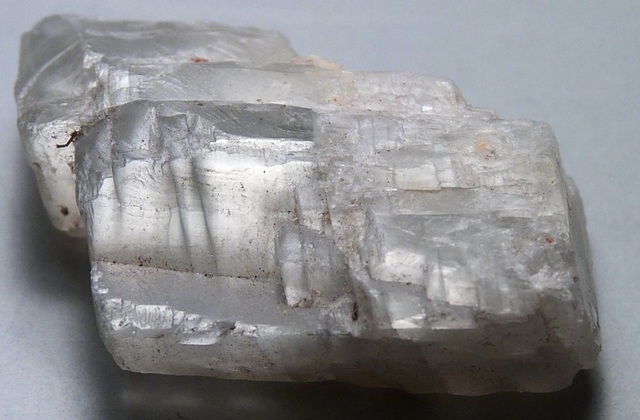
Moonstone is a gemstone that is known for its adularescence: a soft glow or shine that appears to hover beneath the surface of the gem. It is for this glow that moonstone was named, as it was thought to look like the glow of the moon through a thin cloud cover. It comes in a variety of colors including white, grey, black, pink, orange, and green. The most desirable moonstones are known as rainbow moonstones, and they are colorless with a rainbow-colored adularescence. It is found abundantly in India.
OBSIDIAN
Mohs Hardness: 5.5
Rarity: Very Common
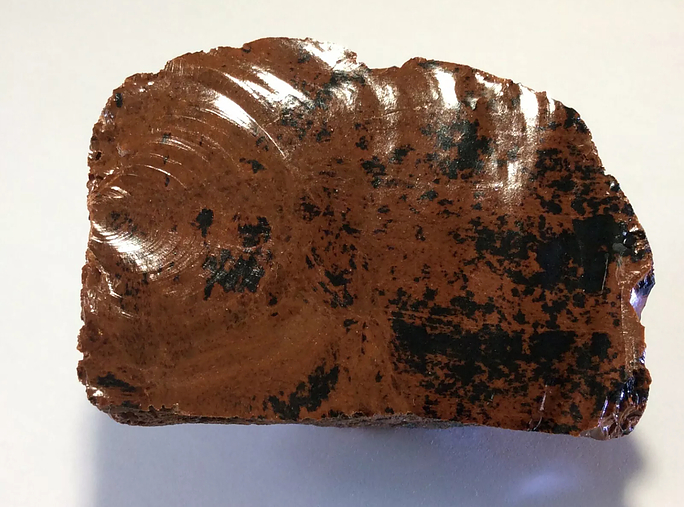
Obsidian is probably the most famously known igneous rock. It is found all over the world in places that have experienced volcanic activity, though older deposits of obsidian are rarer due to it being easily weathered and destroyed by erosive forces. It is a mainly extrusive rock, meaning that it is usually formed on top of the Earth’s crust with a few exceptions. Most commonly, obsidian is a deep black color, but it is also found as red, green, yellow, brown, tan, and even iridescent. Obsidian has been used for millennia as a medium for toolmaking in a variety of cultures; some, such as the Aztec, used polished obsidian as mirrors. In the modern day, many surgeons are opting to utilize obsidian scalpels in lieu of steel due to the incredibly fine edge that obsidian can be sharpened to.
ONYX
Mohs Hardness: 7
Rarity: Common
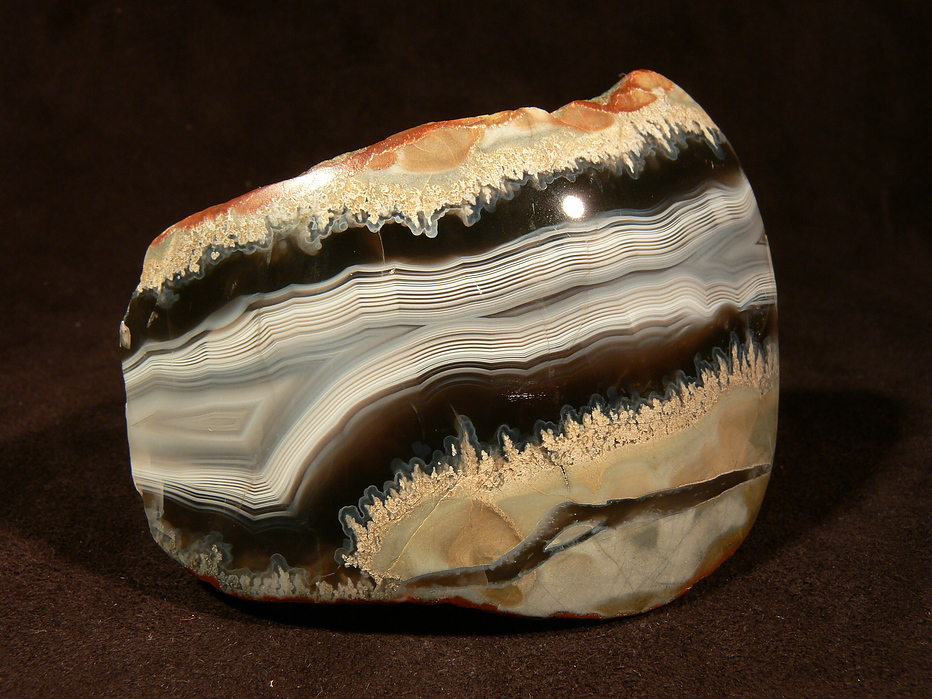
Onyx is another type of banded chalcedony–a microcrystalline quartz, just like agate. The main difference between the two is that agate has curved bands, while onyx has parallel bands. Generally, onyx is known particularly for its deep black color and white banding, but it can also be deep reds and browns. Its name comes from the Greek word “onux”, meaning fingernail; this probably originated from the myth of Eros cutting Aphrodite’s fingernails, which then turned to stone. Onyx is commonly used for jewelry but has also been used in Egypt for pottery.
OPTICAL CALCITE
Mohs Hardness: 3
Rarity: Uncommon
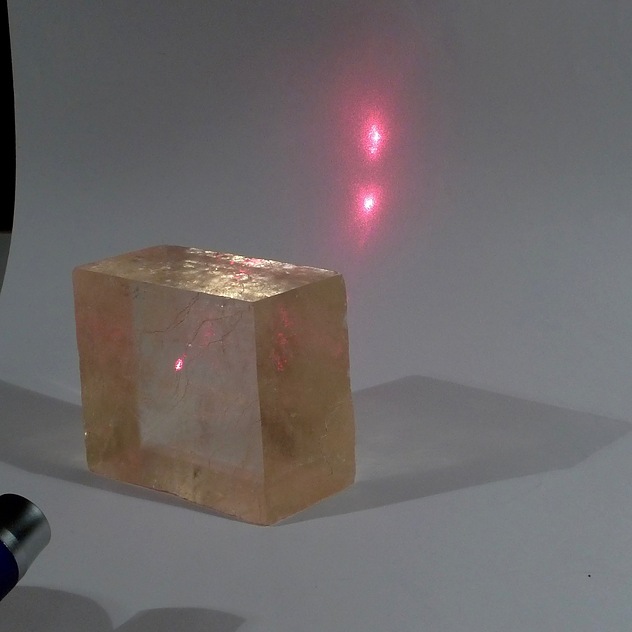
Known also as TV Rock or Iceland Spar, this is a variety of calcite that has a different refractive index for different polarizations of light. It is easily identified via its low hardness, crystal shape, and ability to change light that travels through it. It is speculated that this mineral was the historical Viking Sunstone: a special transparent rock that was used to locate the sun on overcast days for navigational purposes.
ORBICULAR JASPER
Mohs Hardness: 7
Rarity: Rare
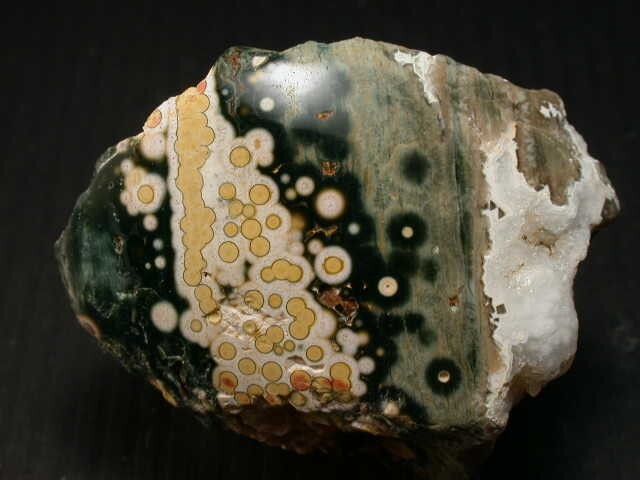
Another type of quartz, Orbicular Jasper has a variety of different names depending on where it came from. Poppy Jasper originates from Morgan Hill, California, while Ocean Jasper comes from low-tide harvests on the Northeastern coast of Madagascar. It is called orbicular due to the round, colorful inclusions seen throughout the stone. Jasper is a name more commonly used by gemologists; generally speaking, if you showed a piece of jasper to a geologist or an archaeologist, they would likely refer to it as chert or flint, respectively.
PYRITE
Mohs Hardness: 6-6.5
Rarity: Exceedingly Common
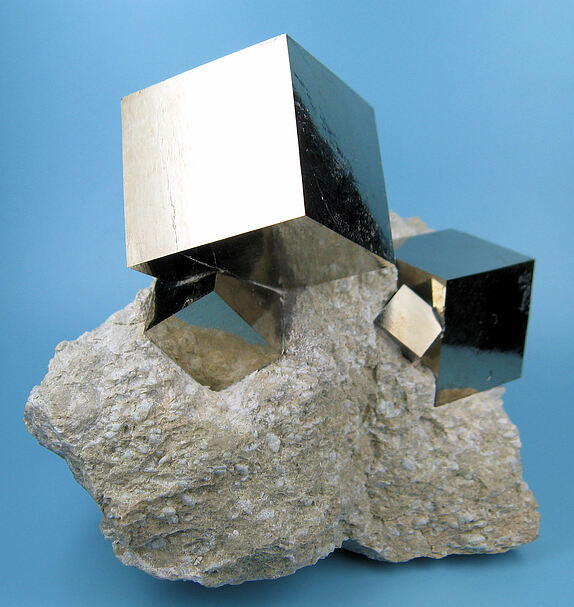
Also known as Fool’s Gold, pyrite is an iron sulfide mineral. It owes its nickname to its brassy-gold color, which was known to confuse inexperienced miners. It occurs all over the world in metamorphic, igneous, and sedimentary rocks, and, interestingly, it can often be found in the same localities as gold. In order to form, it requires abundant amounts of iron and sulphur as well as an anaerobic, or low oxygen, environment. Since these qualifications are easily met by decaying matter, it is not uncommon to find fossils that have had their matter replaced by pyrite; shells are a particularly common example.
QUARTZ
Mohs Hardness: 7
Rarity: Exceedingly Common
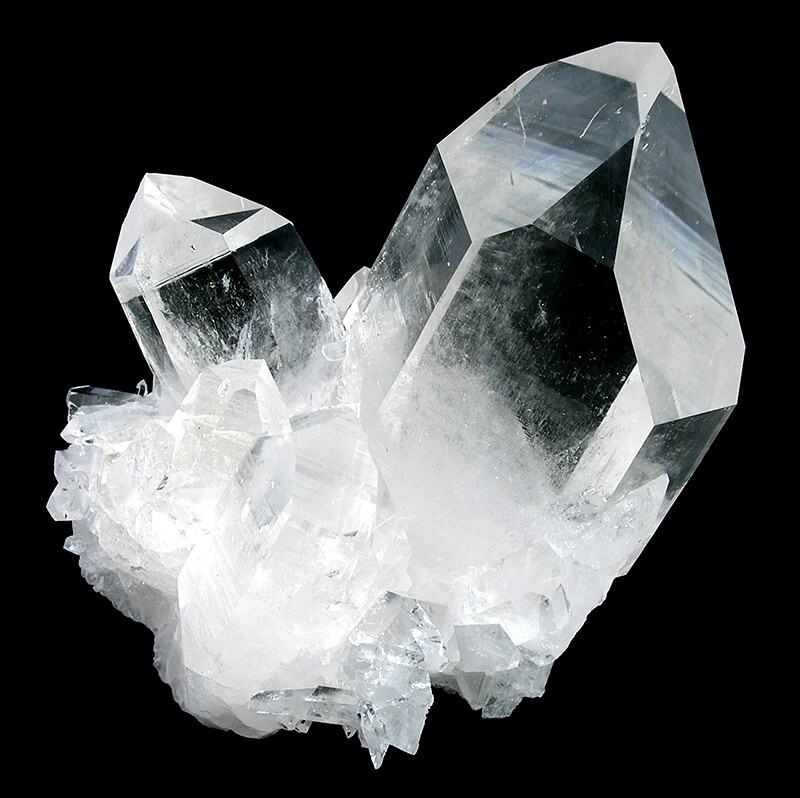
Quartz crystals are clear, hexagonal crystals which can form individually or in clusters. Quartz is one of the most common minerals on Earth and an important rock forming mineral, being found in all three types of rock. Quartz is used as a gemstone, in manufacturing glass, and, under certain conditions, Quartz generates a tiny electrical charge, thus it is used extensively in electronics. There are abundant quantities of Quartz all over North America. Other common varieties of quartz include Amethyst, Rose Quartz, and Smoky Quartz. It has a hard, glassy surface and a distinct conchoidal fracture.
QUARTZITE
Mohs Hardness: 7
Rarity: Common
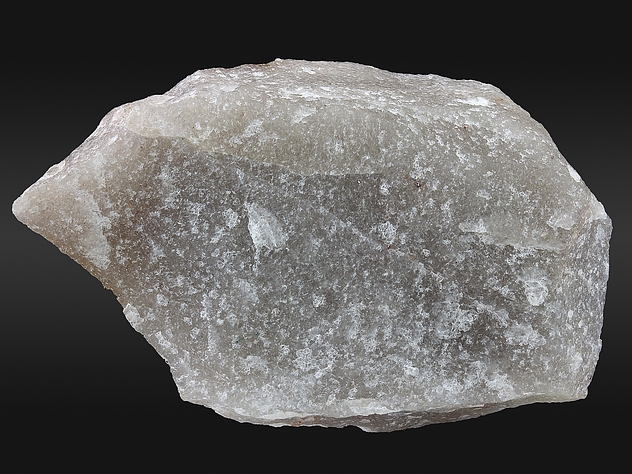
Quartzite is a fantastically hardy rock that is difficult to chip or erode. It is a metamorphic rock that was originally sandstone before it underwent long periods of pressure and heating and can often be seen with ripple marks that indicate an ancient marine environment. Quartzite is found all over the world, but one of the more famous deposits is in the Baraboo Hills of southern Wisconsin, which has quartzite of a beautiful reddish-purple hue. The rich red-purple color is unique to the Baraboo hills and is caused by iron impurities in the form of hematite within the stone.
RED GRANITE
Mohs Hardness: 7
Rarity: Rare
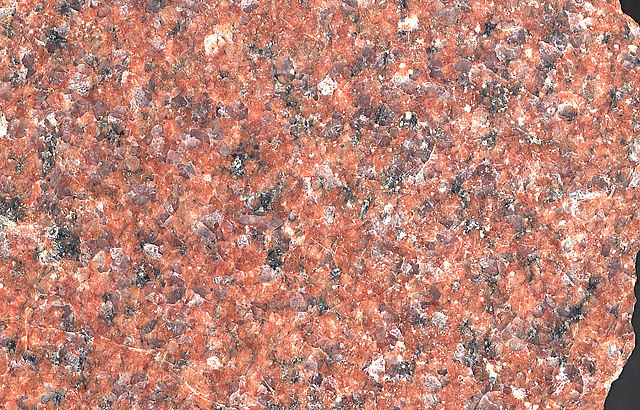
Granite is an intrusive igneous rock, meaning that it forms beneath the surface of the Earth rather than above ground. It is known for its large crystals that can be seen throughout the stone; these crystals form due to the slow cooling that the magma experiences underground which allows ample time for large crystal structures to form. Red granite is composed of three main minerals: quartz (white), mica (black), and feldspar (pink/red), making it a type of granite that has a higher-than-average amount of feldspar throughout the stone. This is Wisconsin’s state rock, as the upper third of the state has a red granite bedrock.
RHODONITE
Mohs Hardness: 5.5-6.5
Rarity: Rare
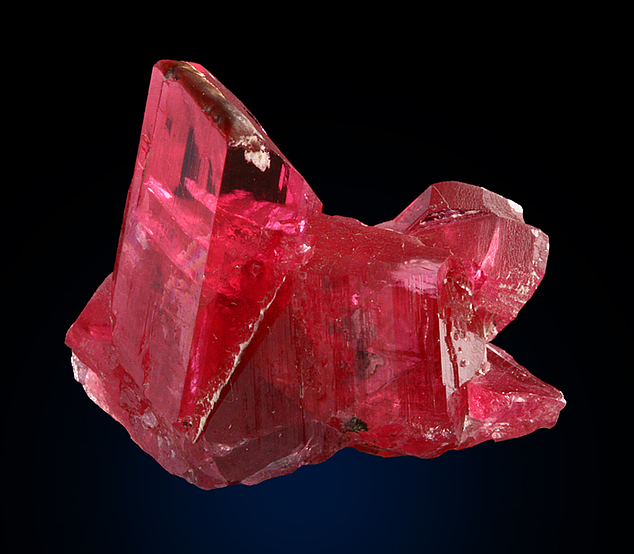
Rhodonite is a manganese-silicate mineral that ranges from a pale pink to a vibrant red in color. It is an uncommon mineral, typically found in metamorphic rocks in a few localities around the world and is rarely found as beautiful, translucent red crystals.
ROSE QUARTZ
Mohs Hardness: 7
Rarity: Common
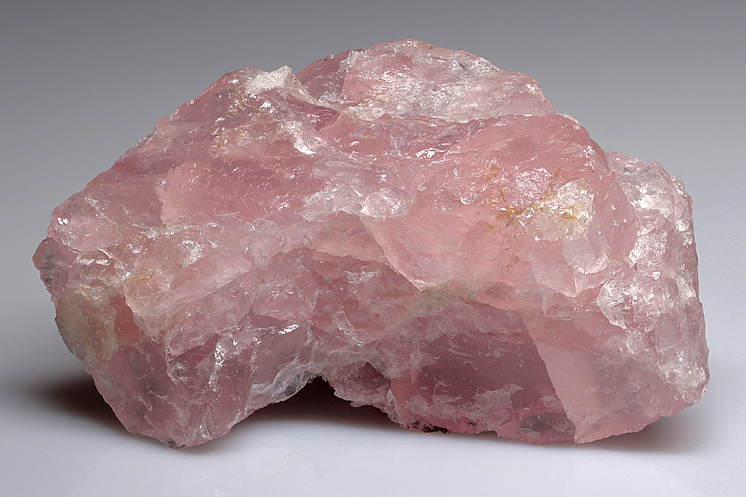
Rose Quartz is a variety of quartz that is pink in color; this coloration is hypothesized to be caused by small amounts of titanium, manganese, iron, and/or aluminum within the crystal, and it generally forms in hydrothermal conditions. Finding crystal points is extremely rare as rose quartz almost always forms as anhedral crystals (crystals without defined faces). Gem quality stones are also very rare, and, for this reason, most rose quartz is sold as carved trinkets and tumbled stones.
RUBELLITE
Mohs Hardness: 7-7.5
Rarity: Rare
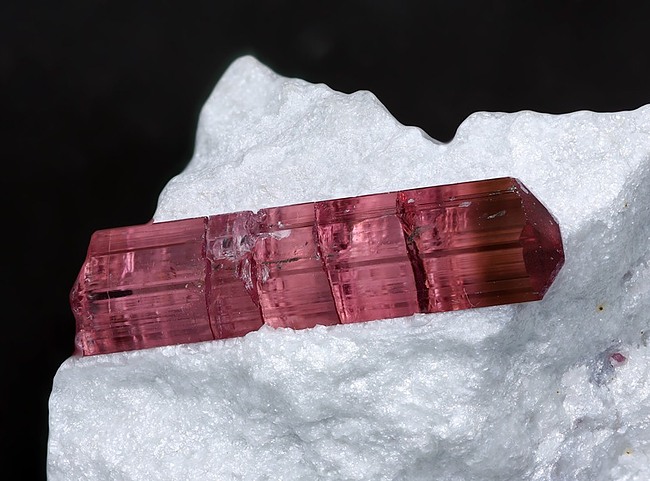
A variety of tourmaline that is renowned for its saturated reddish-pink or reddish-purple color. It is often mistaken for ruby because of this. Rubellite is the rarest variety of tourmaline and often forms in long, linear crystals. It is found in areas like Brazil, Madagascar, and Pakistan.
RUBY
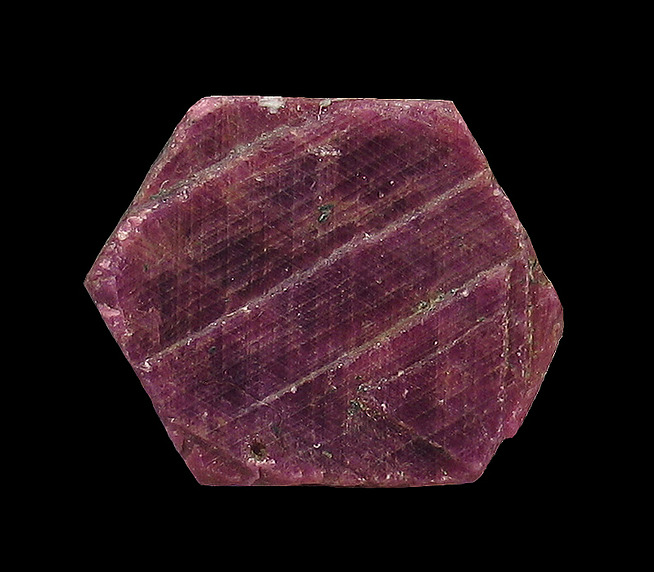
Mohs Hardness: 9
Rarity: Rare
Rubies are a rare form of the mineral corundum. Their color varies from pinkish-red to orangish-red and, in the most valuable cases, bright, pure red. These red tones are caused by chromium within the stone. Interestingly, the chromium will also cause rubies to fluoresce–or glow–bright pink under ultraviolet light. Corundum can appear in colors aside from red, but these are known as sapphires. Rubies are generally found in metamorphic areas like mountain ranges.
SANDSTONE
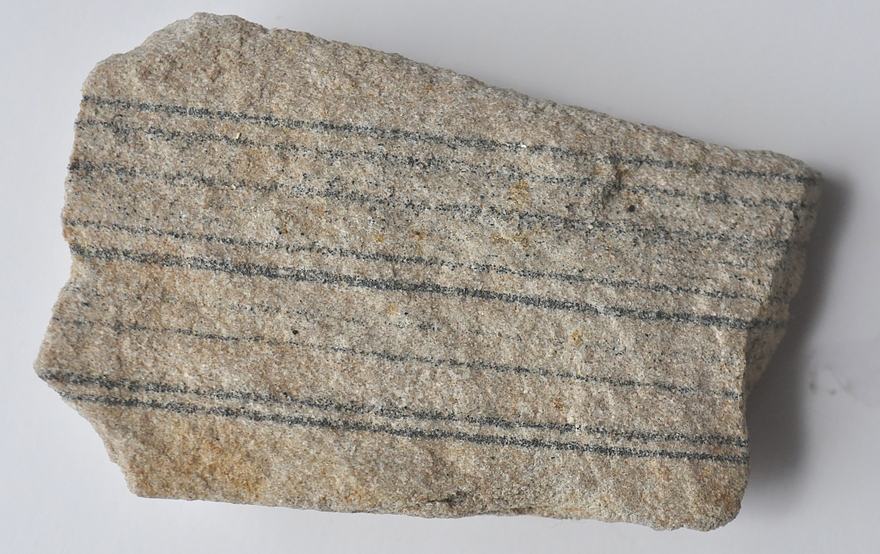
Mohs Hardness: Varies
Rarity: Common
This common sedimentary rock is composed of beds of sand-sized grains of mineral (usually quartz), rock, or organic materials cemented together by silica, carbonate minerals, or iron oxide. Geologically, the word “sand” here is simply referring to the size of the grains that comprise the rock. The stone will also be judged by the quality of the grain: large, irregularly shaped grains are said to be immature, while uniformly shaped and sized grains are considered mature. Sandstone is found worldwide, and the grains can come from any sort of rock that is susceptible to weathering.
SAPPHIRE
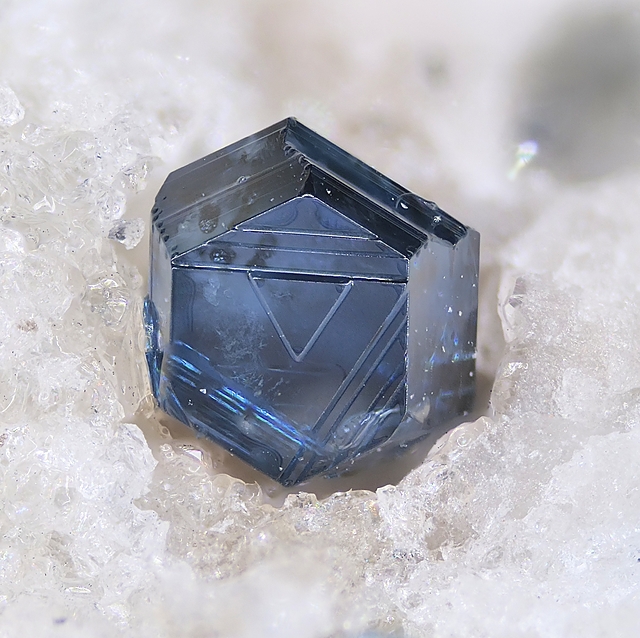
Mohs Hardness: 9
Rarity: Common
A form of the mineral corundum, Sapphire’s distinct blue color comes from iron and titanium. It is found mainly in metamorphic areas and comes in a wide variety of other colors: red, pink, purple, green, yellow, and orange are common. Gem quality corundum of any color is considered a sapphire except for red, which are known as rubies and are much more rare. Because of their hardness, they are often used in scratch-resistant glass known as “sapphire glass,” commonly seen in higher-end watches and cell phones. In North America, Sapphires are most commonly found in Montana.
SELENITE
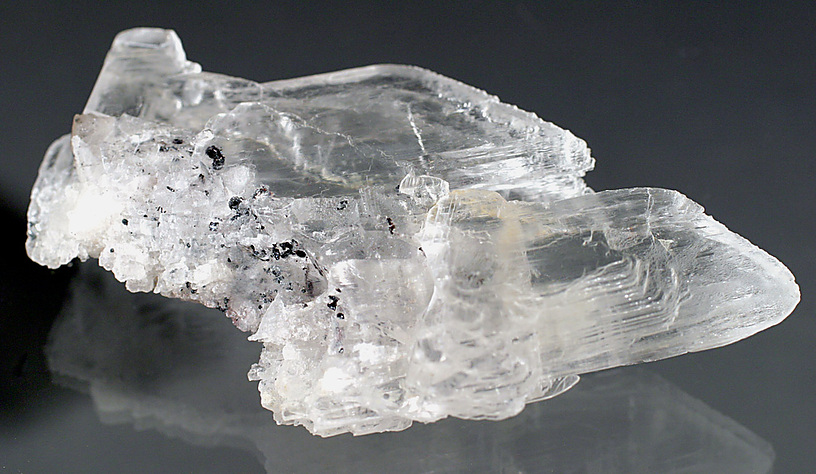
Mohs Hardness: 2
Rarity: Very Common
Named after the Greek word for the Moon due to the bright white reflections off its surface, selenite is a mineral well known for its semitranslucent, white color and long crystal striations. The name selenite is often used interchangeably with gypsum, though some people will attempt to distinguish selenite as the smooth, transparent variety while gypsum is more opaque and textured. In truth, selenite–along with alabaster, desert rose, and satin spar–is a type of gypsum, which is the most common sulfate mineral.
SEPTARIAN GEODE
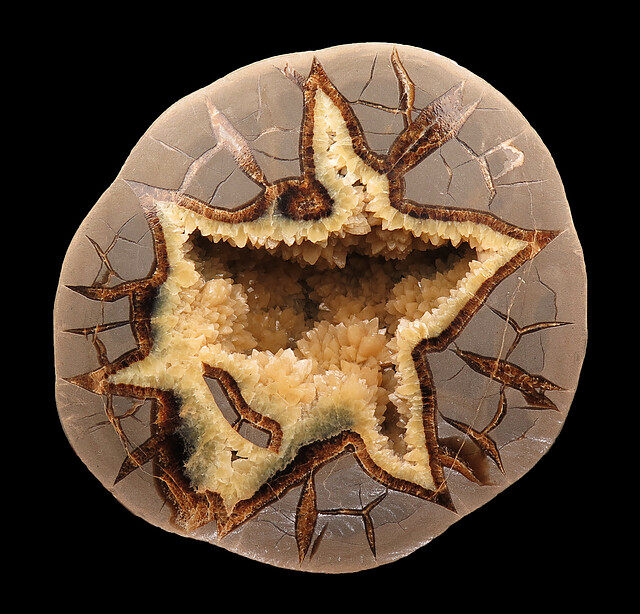
Mohs Hardness: 3.5-4
Rarity: Uncommon
These special geodes formed on an ancient sea floor, 50-70 million years ago. On the ocean floor, mud began covering dead sea life. As the waves and tides shifted the water, they also rocked the mud-covered organisms back and forth and created round balls. Eventually, the water receded, the mud balls dried, and they cracked open. These cracks allowed minerals like calcite and aragonite to fill in the cracks with different colors such as yellow, brown, and grey. The name “Septarian” is derived from the Latin word septum, meaning seven, because the balls cracked with 7 points radiating in all directions. Rarely, the fossil of the organism covered in mud can be visible in the center.
SERPENTINE
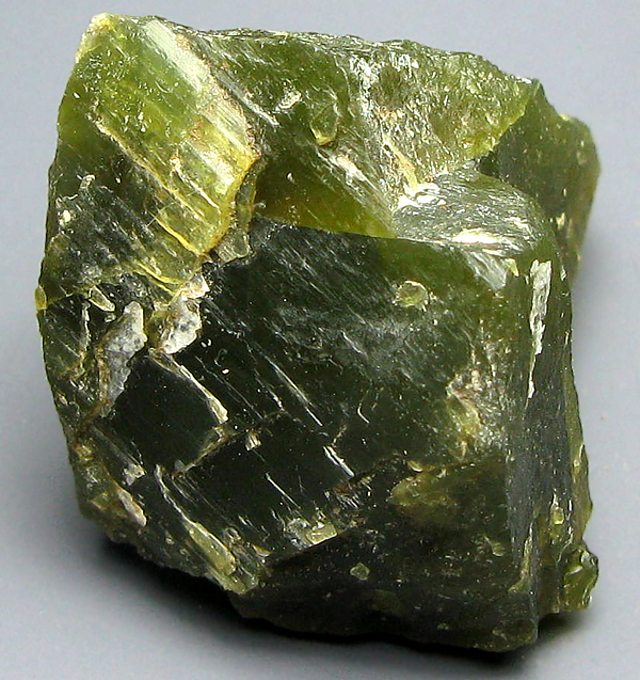
Mohs Hardness: 3-6
Rarity: Common
Serpentine is not one mineral but a group of several: chrysotile, antigorite, and lizardite are three of the most common. This mineral group is categorized by their beautiful color, ranging from a milky yellow to vibrant green, as well as their slimy texture and scaled pattern. The green color comes from olivine within the mineral. Serpentine is typically found in metamorphic rocks beneath the ocean. It is often used as a sculpting medium but can also be used for jewelry and trinkets. Some forms of serpentine have a fibrous habit, meaning that they tend to form as hair-fibers, making it often used as a heat-resistant insulator.
SMOKY QUARTZ
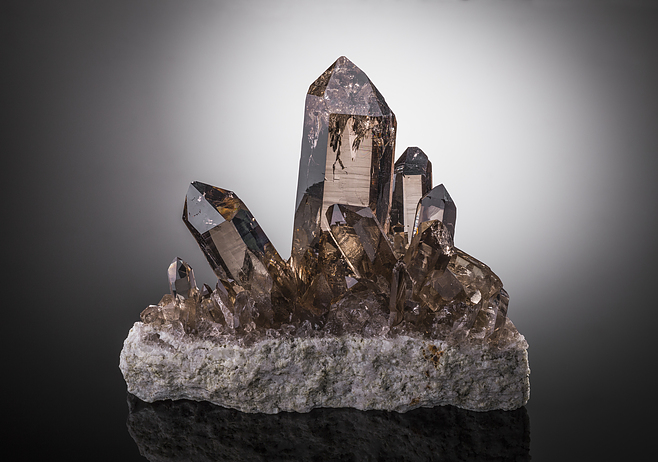
Mohs Hardness: 7
Rarity: Common
Smoky Quartz is a type of quartz that has been irradiated. Its color is caused by this radiation affecting small inclusions of aluminum found throughout the crystal’s structure, and this color can range from a smoky, grayish brown to a deep black in color. The darkest specimens are often simply referred to as “Black Quartz.” Smoky Quartz is commonly found in Brazil, Switzerland, Colorado, and Montana.
SNOWFLAKE OBSIDIAN

Mohs Hardness: 5.5
Rarity: Uncommon
Obsidian is a usually dark-colored, glassy rock that forms from rapidly cooling lava. Snowflake obsidian is most commonly dark black or brown with round white “snowflakes” present throughout. These snowflakes are known as spherulites. They are small, spiky balls of quartz that form rapidly in the quick-cooling lava. When they are bisected, they look exactly like starbursts or snowflakes, giving this uncommon obsidian its name.
SOAPSTONE
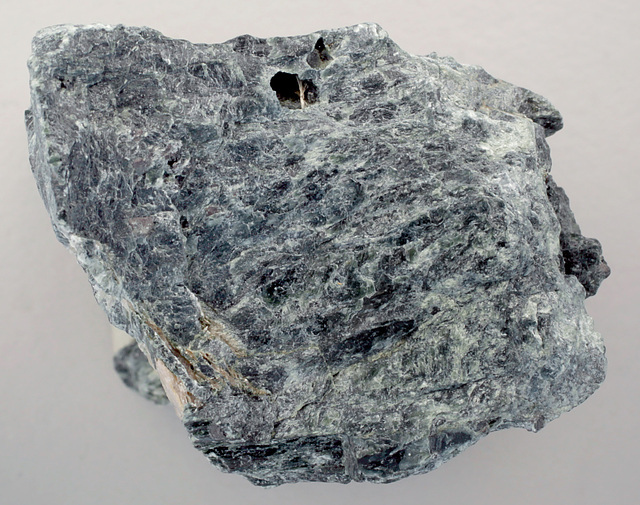
Mohs Hardness: 1-5
Rarity: Very Common
Soapstone gets its name from its waxy, soapy feel. It is a metamorphic rock made primarily of talc and has a wide variety of uses. It’s heat resistant and nonporous, but holds temperatures well enough that it can be used as ice cubes. Historically, it was used by Native Americans for carvings, bowls, pipes, and boiling stones, which were heated to high temperatures and then dropped into stews for cooking. Soapstone’s relationship with temperature was also discovered early in Scandinavia, and it was often used to line hearths and fireplaces. Today, it is used for carving as well as countertops in both kitchens and laboratories because it is resistant to acids and other damaging materials. It was one of the first rocks to be quarried in the United States, and, due to the varying levels of talc and other minerals, its hardness varies greatly from specimen to specimen.
SODALITE
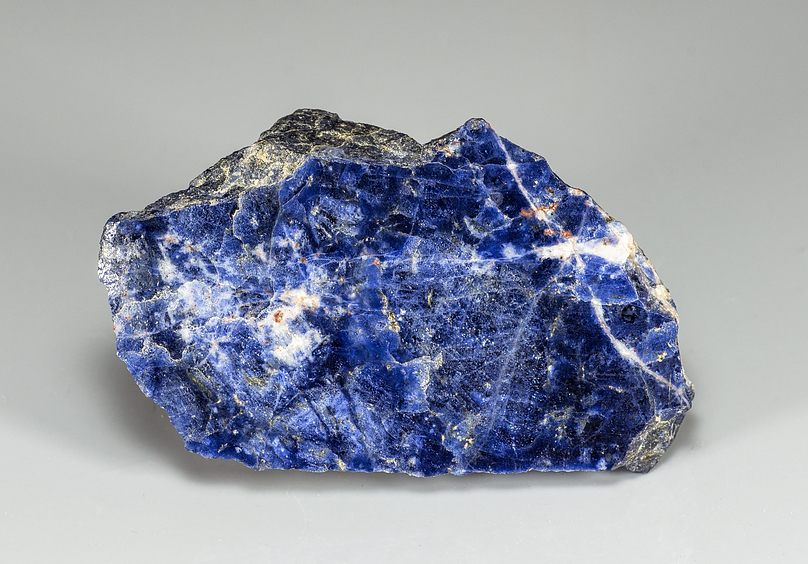
Mohs Hardness: 5.5-6
Rarity: Uncommon
Sodalite is a mineral well known for its deep blue color. It is found within igneous rocks that formed from sodium-rich magma, which is where it gets its name. It often has bright white striations throughout, making it fairly easy to mix up with Lapis Lazuli; the easiest way to tell the difference is that sodalite virtually never contains pyrite, while lapis often does. Since blue is a very uncommon color for rocks, sodalite is often used as a gemstone–though gem quality sodalite is rare. It is found throughout the world in places like the United States, Canada, Namibia, and Russia.
SYENITE

Mohs Hardness: 5.5-6
Rarity: Uncommon
An intrusive igneous rock, Syenite’s name comes from the latin Lapis Syenitis, meaning “Stone of Syene.” It is effectively similar to granite except for that it contains none or very little of the mineral quartz. Syenite is typically light in color and medium to coarse grained, meaning that you can see the individual crystals with the naked eye. It is a fairly uncommon rock and is typically used for architectural purposes like flooring, countertops, sculptures, and gravemarkers. Occasionally, fluorescent sodalite inclusions can be found within syenite rocks, especially along the shores of Lake Superior and Lake Michigan. These are known as Yooperlites™.
TEKTITE
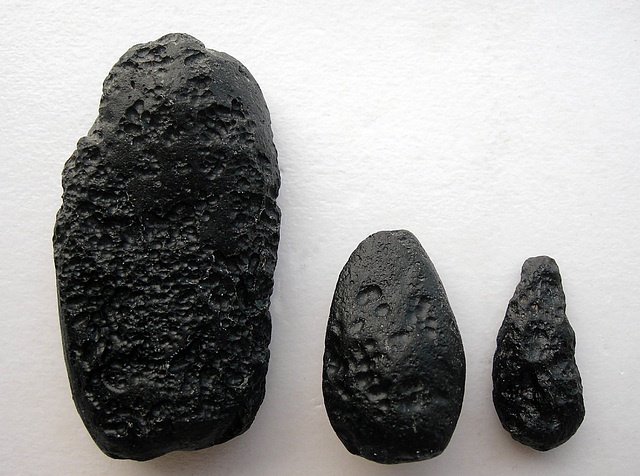
Mohs Hardness: 6-7
Rarity: Rare
Small, pebble-like, and unassuming, Tektites are previously molten fragments of the Earth that were shot up into the atmosphere by meteorite strikes before falling back under the effects of gravity. They have been found in only a few areas of the world, namely southeast Asia, Australia and neighboring islands, the Caribbean, and the Ivory Coast, and they are given more specific names depending on where they are found; Australites from Australia, Philippinites from the Philippines, and Georgiaites from Georgia, USA. They are geologically young, ranging from 300,000 to 35 million years old and range in color from black to brown to yellow-grey and even green.
TIGER’S EYE
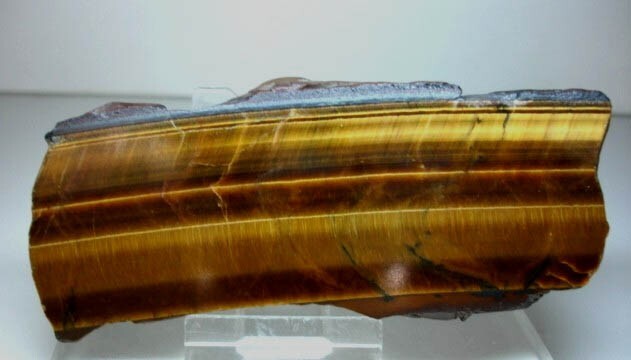
Mohs Hardness: 6.5-7
Rarity: Uncommon
A popular gemstone, Tiger’s Eye is yet another type of quartz. It forms when the fibers of the mineral crocidolite, also known as blue asbestos, are replaced by silica. Because of the way that this occurs, the original parallel fibers are still perfectly visible. Tiger’s Eye has been used as a gemstone for millennia and comes in a variety of colors including the very common brown; the less common red, yellow, and grey; and the absolute rarest blue.
TOURMALINE
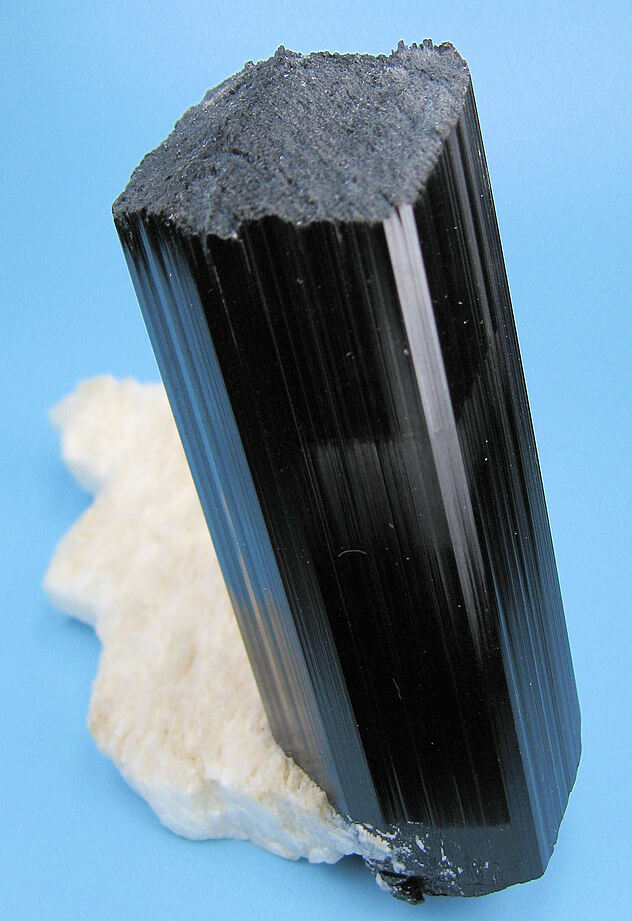
Mohs Hardness: 7-7.5
Rarity: Exceedingly Common
Tourmaline is a boron silicate mineral and is one of the most abundant and varied crystals on Earth. The most common color is black, but they can also be green, blue, yellow, pink and red, and even a combination of these colors. When two colors exist in the same crystal, it is known as “color zoning,” and the most popular type is green and pink, referred to as Watermelon Tourmaline. The most valuable tourmaline, however, is the highly saturated neon blue of “Paraiba.” Named for the location in which it was discovered, Paraiba remained hidden until 1989 when the stunning rock was found in random igneous mines in Paraíba and Rio Grande de Norte, Brazil. This blue color is caused by trace amounts of copper which also gives larimar a similar appearance. Paraiba of significant quality have been sold for amounts greater than $10,000 per carat.
TRAVERTINE
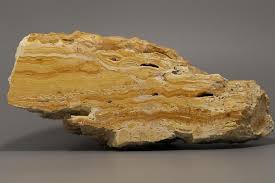
Mohs Hardness: 4-5
Rarity: Common
Travertine is a form of limestone that is precipitated out of larger limestone beds. It is incredibly common around hot springs and within caves, and it is for this reason that it is occasionally referred to as “cave onyx”, though chemically it is very different from what we think of as onyx (true onyx is a variety of microcrystalline quartz). Travertine, therefore, is what makes up all the formations seen within Cave of the Mounds. It can come in a wide variety of colors and shapes depending on what accessory minerals are within. One of the most visited travertine deposits on Earth are the Mammoth Hot Springs in Yellowstone National Park.
VANADINITE
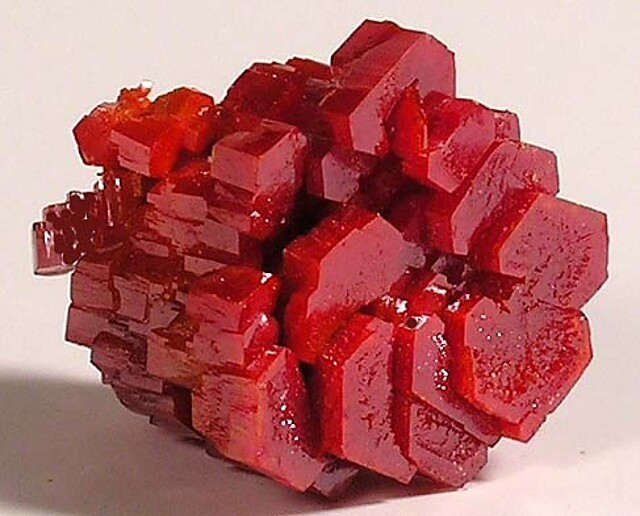
Mohs Hardness: 3-4
Rarity: Rare
Vanadinite is a crystalline mineral that grows in flat hexagons. It appears generally as highly saturated oranges, reds, and browns and is fairly uncommon due to it being a secondary mineral, which means it only forms from the chemical alteration of another mineral. In the case of vanadinite, the chemical changes occur in lead. Therefore, it is often found along with lead deposits. It was originally discovered in 1801 in Mexico, but vanadinite is now known to be found worldwide in places like Spain, Scotland, South Africa, Morocco, and Argentina, as well as 4 U.S. states: Arizona, New Mexico, Colorado, and South Dakota.
Fossils
Fossils are remnants of ancient life, ranging in age from at least 10,000 to 3.5 billion years. They can be anything from footprints and leaf prints to eggs, shells, gastroliths, and even entire bones and teeth. They are found everywhere on Earth almost exclusively in sedimentary rock. Explore below to learn about a small selection of fossils found across the globe, many of which are found in Wisconsin.
AMMONITE
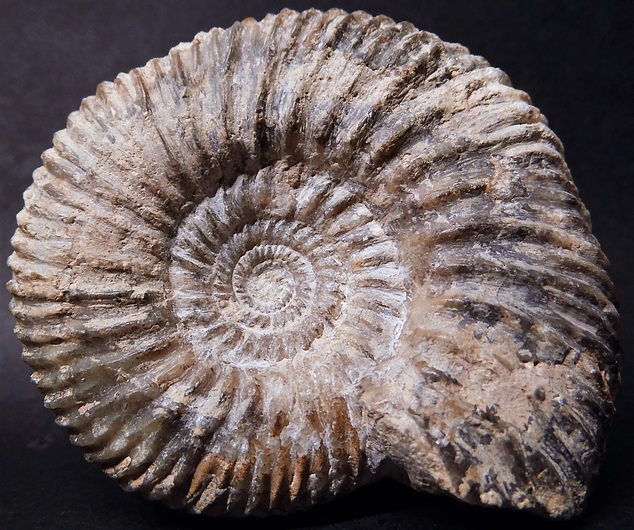
Time Period: 350mya to 65mya
Sea creatures that lived from the Permian to Cretaceous, ammonites are now extinct. They are mollusks of the class Cephalopoda, which includes the Endoceras (like within Cave of the Mounds), chamber-shelled nautilus, and squid. The coiled shell served as protection and enabled the Ammonite to regulate pressure for varying water depths. The animal lived only in the last chamber or segment of the shell, and as the animal grew it added chambers, each of which is separated by dividing structures called sutures. The sutures can also be used to identify different types of ammonite, as the sutures became more intricate and ornate as the animal evolved over time.
BRYOZOAN

Time Period: 480mya to Today
A colonial animal, Bryozoan fossils can be found throughout the world due to their excellent rate of fossilization provided by their calcareous skeletons. They resemble corals but are more closely related to brachiopods. Their colonies can have many thousands of individuals connected together, furthering their similarity to corals. They are an extant species, meaning that they still exist today as living animals. They are most often found in shallow waters, but some have been seen in deep sea trenches. They are currently being researched due to their containing bryostatin chemicals, which have shown some potential in curing Alzheimers.
BRACHIOPOD

Appearing very similar to clams, brachiopods are an extant species–meaning they still exist today despite first appearing in the fossil record around 540 million years ago in the Cambrian age. They were the most abundant animal throughout the ocean during the paleozoic era before they were eclipsed by the evolution of clams, which had the ability to swim freely around the ocean. Brachiopods, on the other hand, attach themselves to the sea floor by means of a pedicle, or foot. Fossilized brachiopods will typically have a very nice indentation around the body that indicates the separation of the upper and lower shells.
CEPHALOPOD
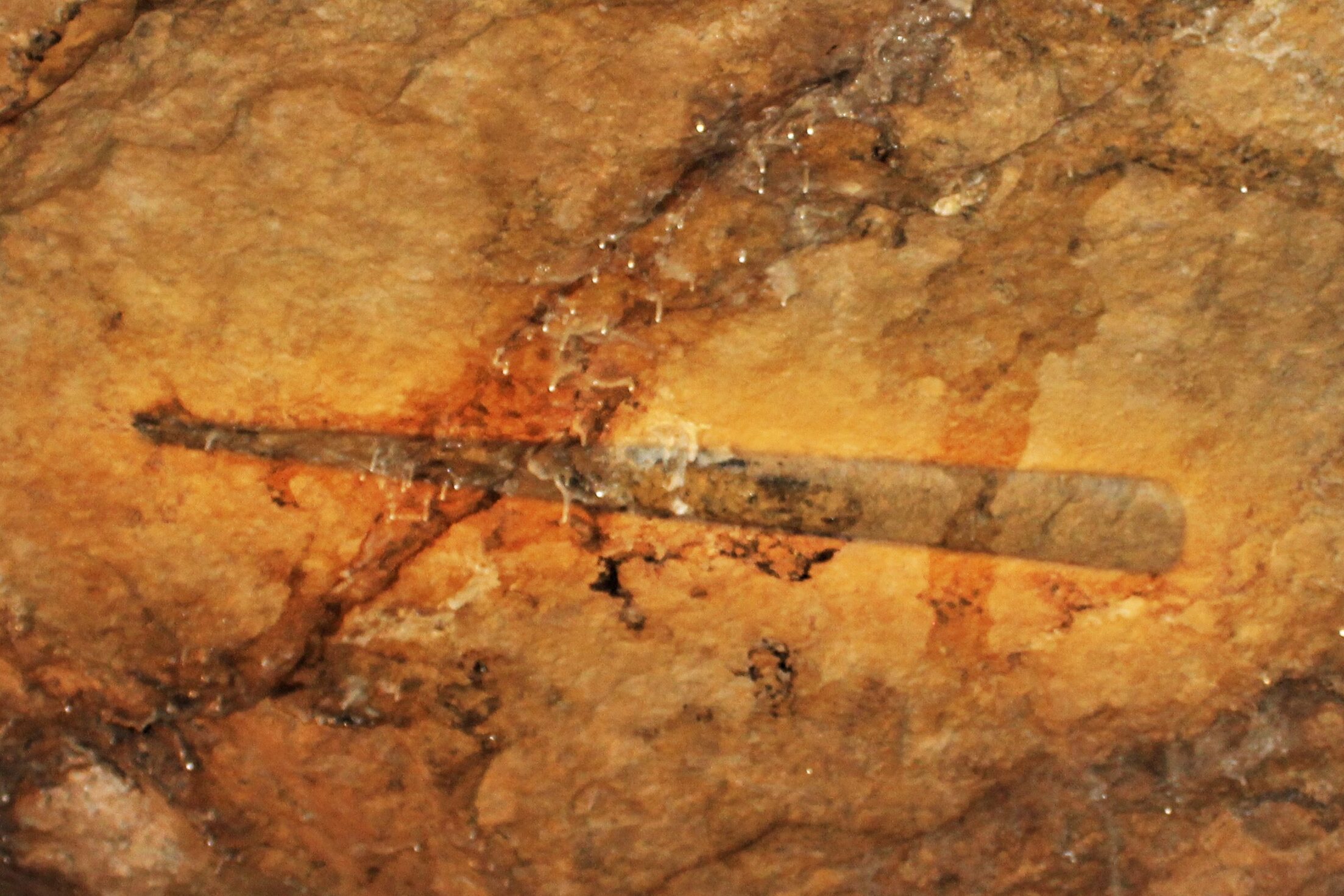
Time Period: 530mya to 66mya
While Cephalopoda is a class of mollusk, in this palaeontologic sense “Cephalopod” is referring specifically to the variety of ancient squid-like creatures that existed in the ocean starting around 530 million years ago. Many of these animals are the ancestor to the modern squid and had soft, tentacled bodies in addition to a large, straight shell. This shell allowed them to be buoyant and swim free of the ocean floor; it also provided them protection, although, as the main predator of the ocean during this time, they did not need it much. Eventually, this shell curled up into a spiral, and they evolved into another common member of the cephalopoda class: ammonites. Ancient cephalopods were of many different species, but the ones seen within Cave of the Mounds are of the Endoceras variety.
CRINOID
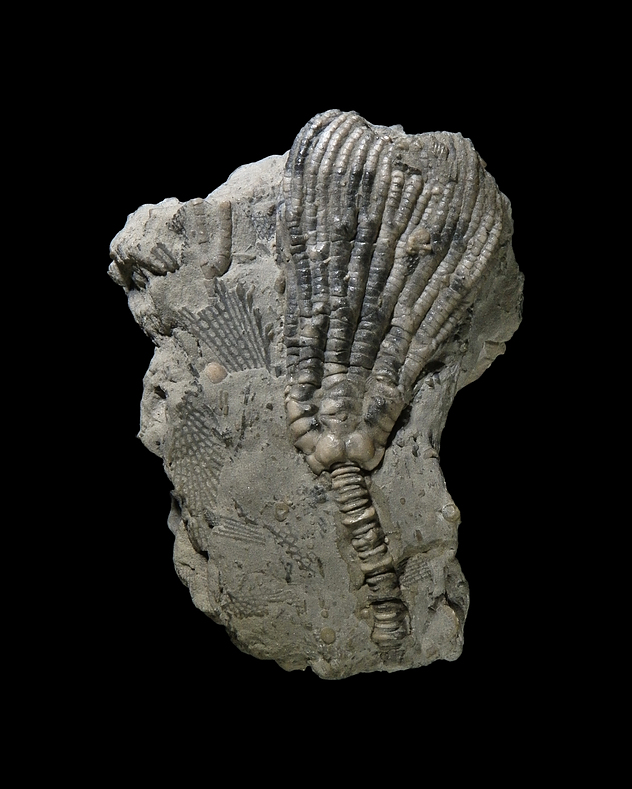
Time Period: ~530mya to Today
An ancient specimen, Crinoids are animals that lived in the ocean beginning approximately 530 million years ago. Despite their age, over 600 species of Crinoids still exist in the ocean today. They are commonly known as sea lilies or feather stars and are filter feeders that use the featherlike arms sprouting from their head as a filtering mechanism. They are made up almost entirely of individual disks, or plates, that tend to disarticulate upon their death: individual disks are the most common crinoid fossil, making whole specimens extremely rare. Southern Morocco is known for its phenomenal crinoid fossils, and some have been found to be over 130 feet in length.
COPROLITE
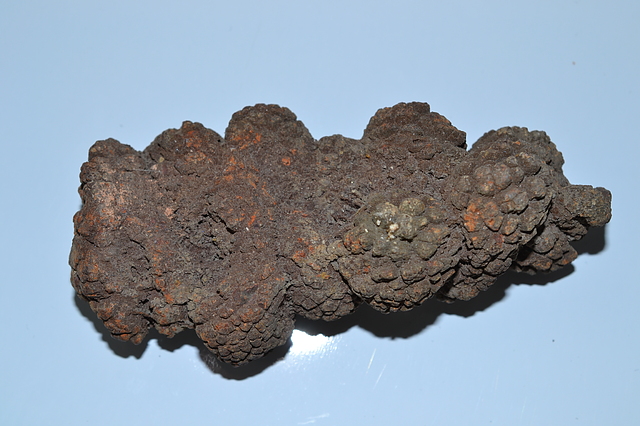
Time Period: N/A
Previously known as fossil fir cones and bezoar stones, Coprolites are fossilized animal dung. These specimens can be found from as far back as the Cambrian period and are considered a trace fossil because they give an indication on how the animal lived rather than what it looked like. Specimens can range between a few centimeters to over 60 centimeters and have been used to study the paleo-diets of dinosaurs and other ancient creatures; coprolites have also been historically used as a source of phosphates in eastern England and were often used as fertilizer as well as in the production of munitions during the first world war.
DINOSAUR BONE
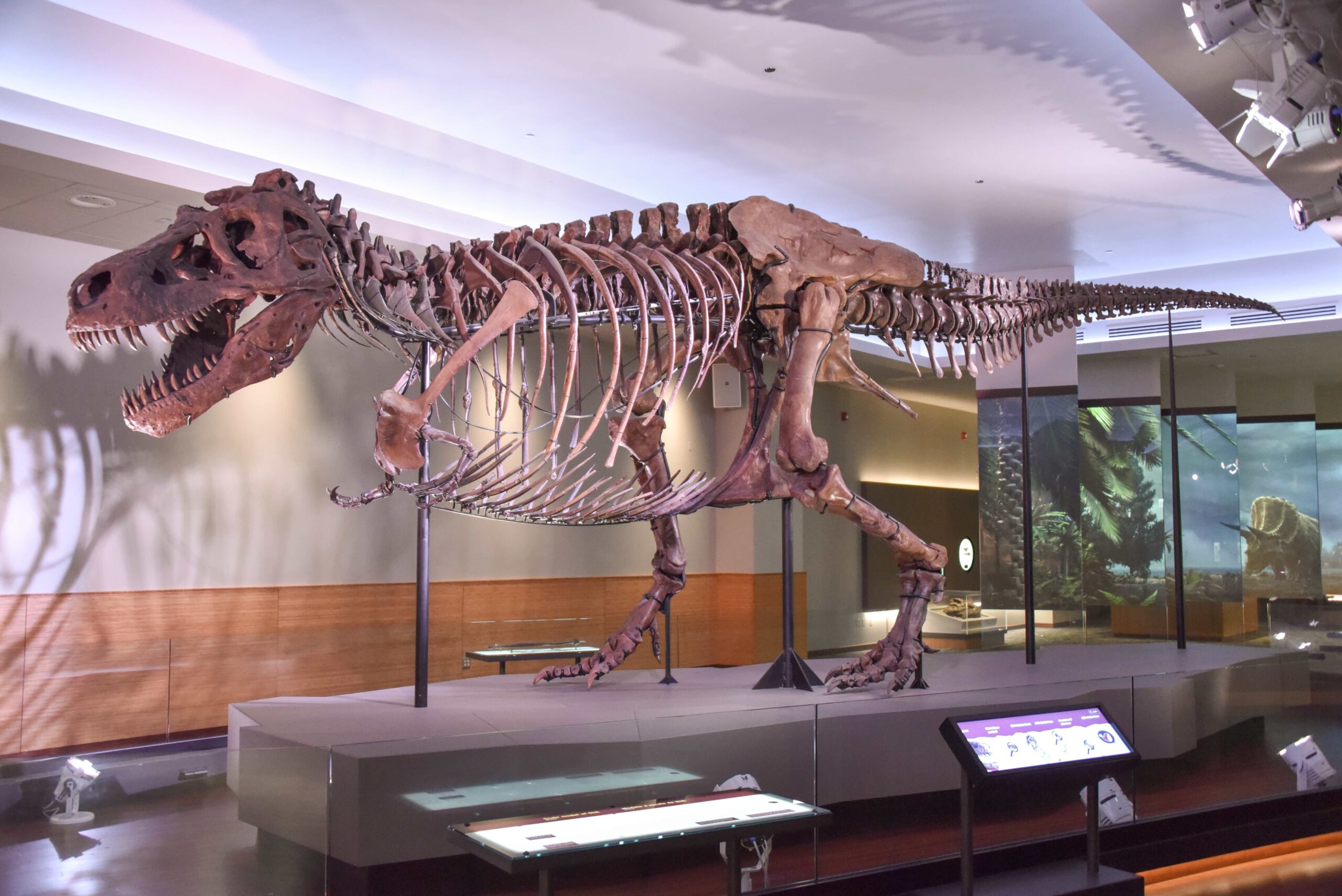
Time Period: 245mya to 66mya
Dinosaurs are the most famous fossilized creature around the world. Dinosaur fossils form when all of the original minerals that comprise the bones have been replaced by different minerals, meaning that fossils are not the remnants of the creature, but simply a cast of what was once there. In some pieces, the differentiation in color makes it possible to see the cells of the bone. The most common dinosaur fossils tend to be ribs due to the sheer number of them that the creatures had, while teeth tend to be relatively rare due to their fragility.
DINOSAUR EGG SHELL
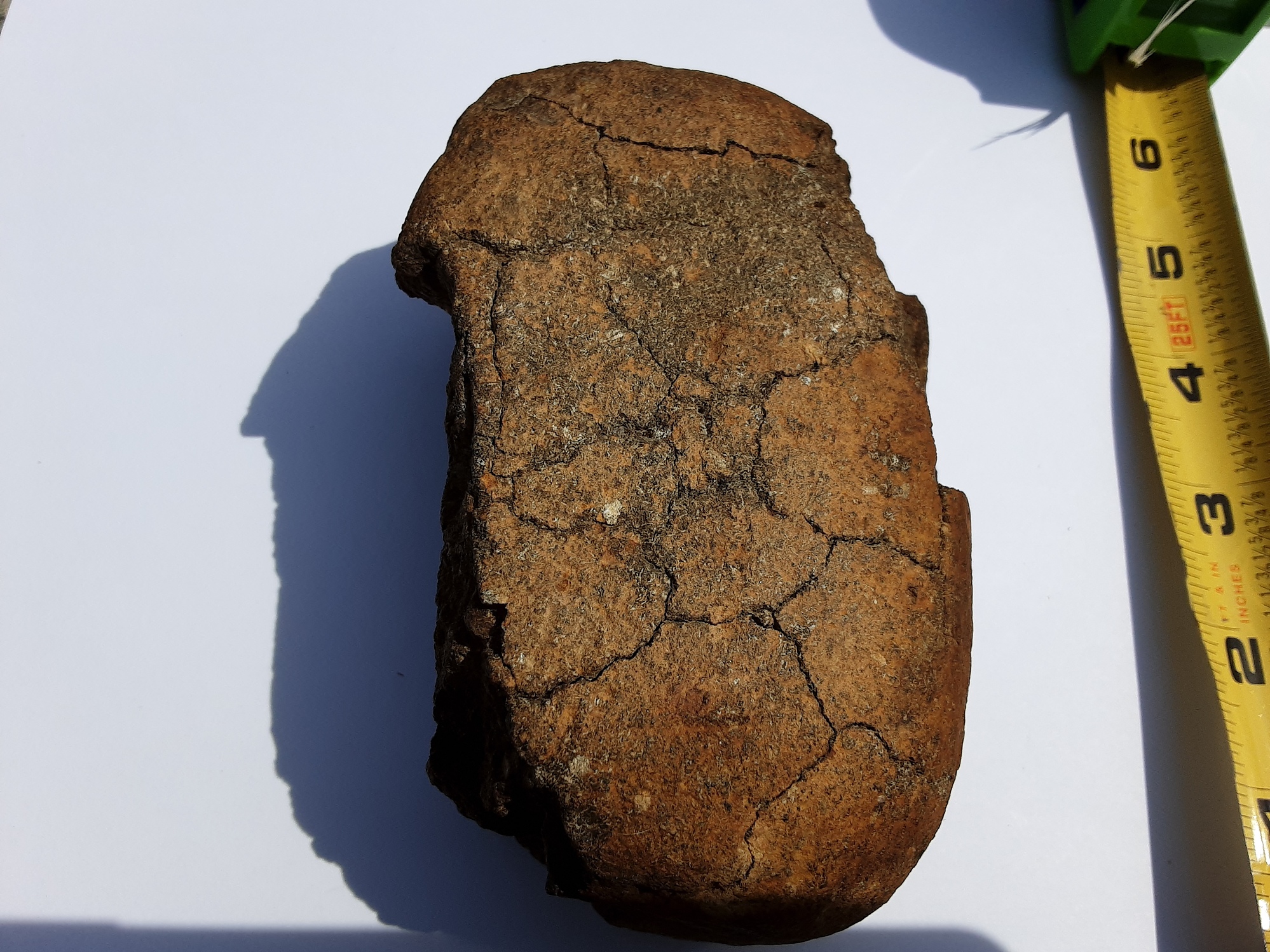
Time Period: 245mya to 66mya
Just as the name suggests, these are the fossilized shard remnants of dinosaur eggs. Very rarely are fossilized eggs found intact, so egg shell fragments tend to be common. The purpose of the bumps on the surface of the shell remains a mystery, but it has been theorized that they provide extra structural strength or perhaps even pathways for airflow.
FERN IMPRINT
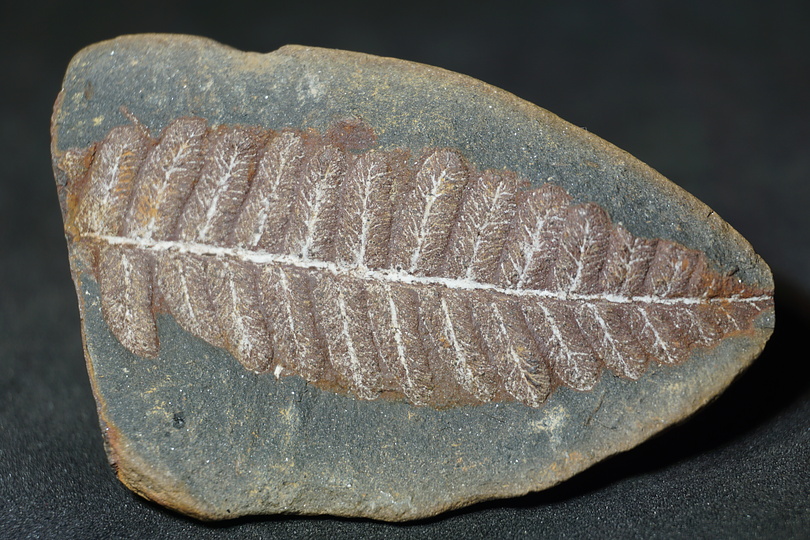
Time Period: ~380mya to Today
Ferns are an ancient family of plants that predate the Mesozoic Era around 360 million years ago. Today, we know them as the multi-leafed plant that covers the forest floor in humid climates, but early on in their existence, they had much more variety: some grew wide and flat, while some grew long and tall with vines that allowed them to scale nearby tree-like plants that grew high above the forest floor. When these ferns died, they often fell into swamps and became incredibly well preserved, but also were often compressed into coal; because of this, the imprints of once-living ferns can often be found on pieces of coal and shale.
GREEN RIVER FISH FOSSIL
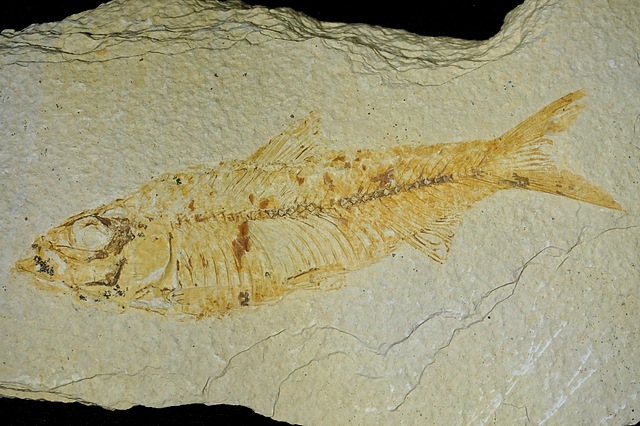
Time Period: 53.5mya to 48.5mya
The Green River Formation is a rock layer in the Western United States along the modern day Green River that is made up of white marly limestone and pink shale. The limestone and shale were laid down at the bottom of one of three lakes spread across parts of Wyoming, Utah and Colorado during the Eocene Epoch 36 to 58 million years ago. The limestone of this formation is famous for its abundant fossil fish which are found in a short 5 million year span of rock within the formation. The fish found here first appeared in the geologic record 130 million years ago in the Jurassic and became the dominant fish species when the Green River Lakes appeared.
GASTROPOD
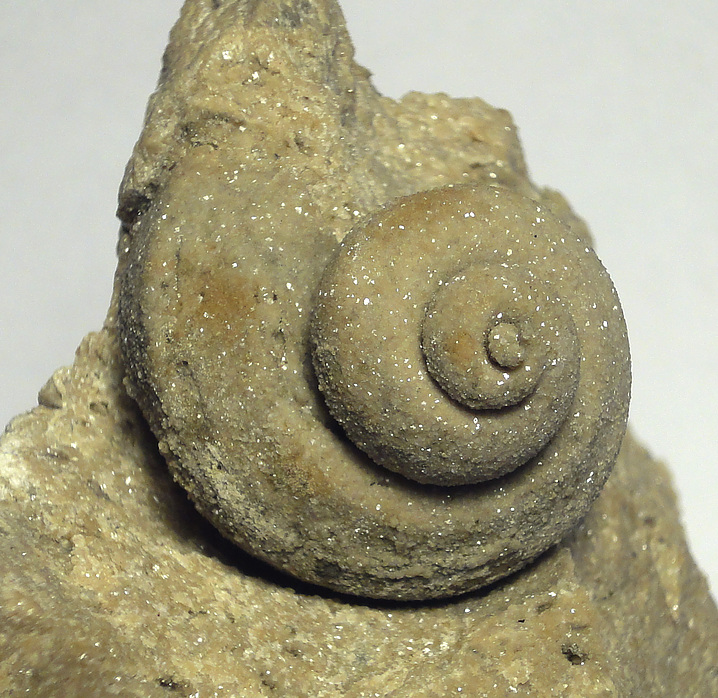
Time Period: ~500mya to Today
Gastropods are soft-bodied invertebrates, and these fossils are closely related to the snail of the present day. Classified as mollusks along with cephalopods, gastropods are the most varied group in the Mollusca phylum. The shells of these creatures fossilize incredibly well, making them a common sight in sedimentary rocks. Their shells are generally made out of calcium carbonate in the form of either calcite or aragonite (whichever mineral was more common in the water at the time). Because both of these minerals are sensitive to acids, the shells would often dissolve entirely and leave just an imprint fossil in its place.
MAMMOTH IVORY
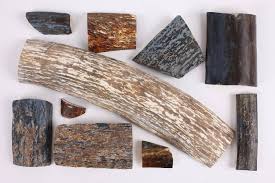
Time Period: 400,000ya to 10,000ya
Mammoths are very geologically recent, placed right at the cusp of what can be considered a fossil. Their tusks (i.e. modified teeth used as tools) are a source of ivory that has been used for millennia. Ivory is a special type of tooth that contains mineralized collagen and has a uniform, milky-white color. It has often been prized for use as a carving material by many cultures including the Inuit and Chinese. Ivory can be found in many animals: elephants, mammoths, mastodons, hippopotamuses, walruses, orcas, and warthogs, to name a few. While mammoths are long extinct, it is theorized that there are upwards of 10 million mammoths buried in the Siberian permafrost.
MOSASAUR
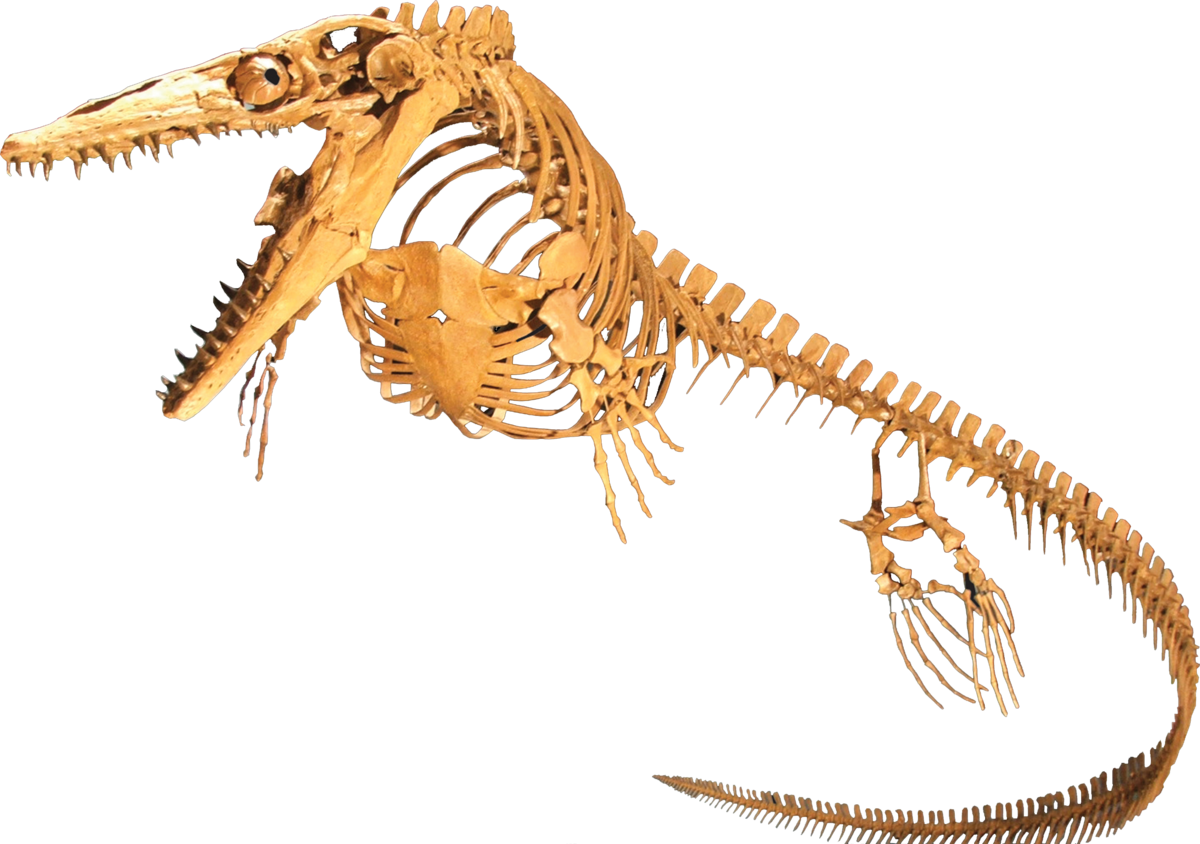
Time Period: 145mya to 66mya
Mosasaurs are any of the numerous marine reptiles that dominated the oceans following the extinction of ichthyosaurs and pliosaurs and up to the K-Pg extinction event at the end of the Cretaceous. These reptiles were typically characterized by a long body, long tails, a conically shaped head, and limbs that served as paddles with many characterized by very large size: at least two species are known to have reached nearly 56 feet in length. Mosasaurs have been found on every continent including Antarctica, indicating a wide distribution in the oceans, but they are commonly found in the Badlands of South Dakota as well as Morocco. Despite general assumptions, Mosasaurs are not considered dinosaurs.
ORTHOCONE
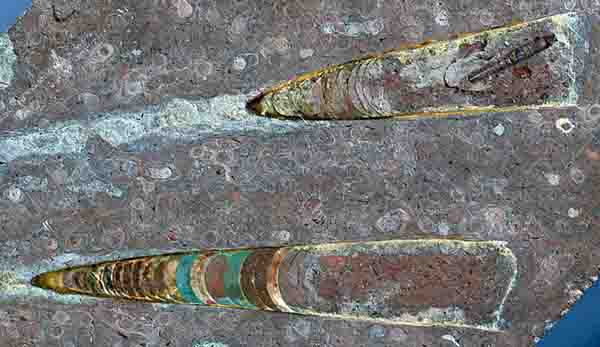
Time Period: ~490mya to 200mya
Orthocones are a category of extinct cephalopods that existed in the oceans during the Ordovician period around 450 million years ago. Their name is a Latin word meaning straight shelled, which makes sense as their defining feature is their long, straight shell from which their body protrudes. Their shells have a series of segments known as septa that act as dividers within and allow for buoyancy beneath the water. These septa grow continuously over the creature’s life, giving us a general estimate on their ages. Orthocones, like many cephalopods and nautiloids, have a siphuncle–a line of connective tissue–that connects each of the septa within the shell and aids in the process of draining each subsequent septa of water.
PETRIFIED WOOD
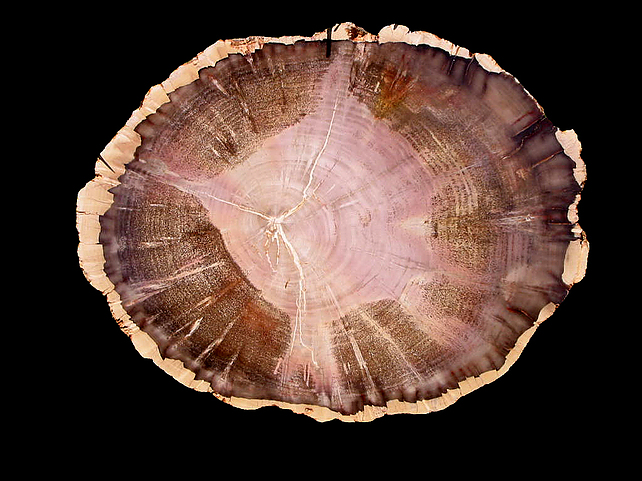
Time Period: N/A
Petrified wood forms when a tree is knocked down and then quickly buried or submerged, protecting it from decaying. As it sits, the woody structures are slowly replaced by minerals over time–most commonly, silica. This replacement is very detail-oriented, and often preserves the original wood grain. Petrified wood is common throughout the world and can be found in abundance in places like Wyoming, Arizona, and the Indonesian Isles.
RUGOSE CORAL
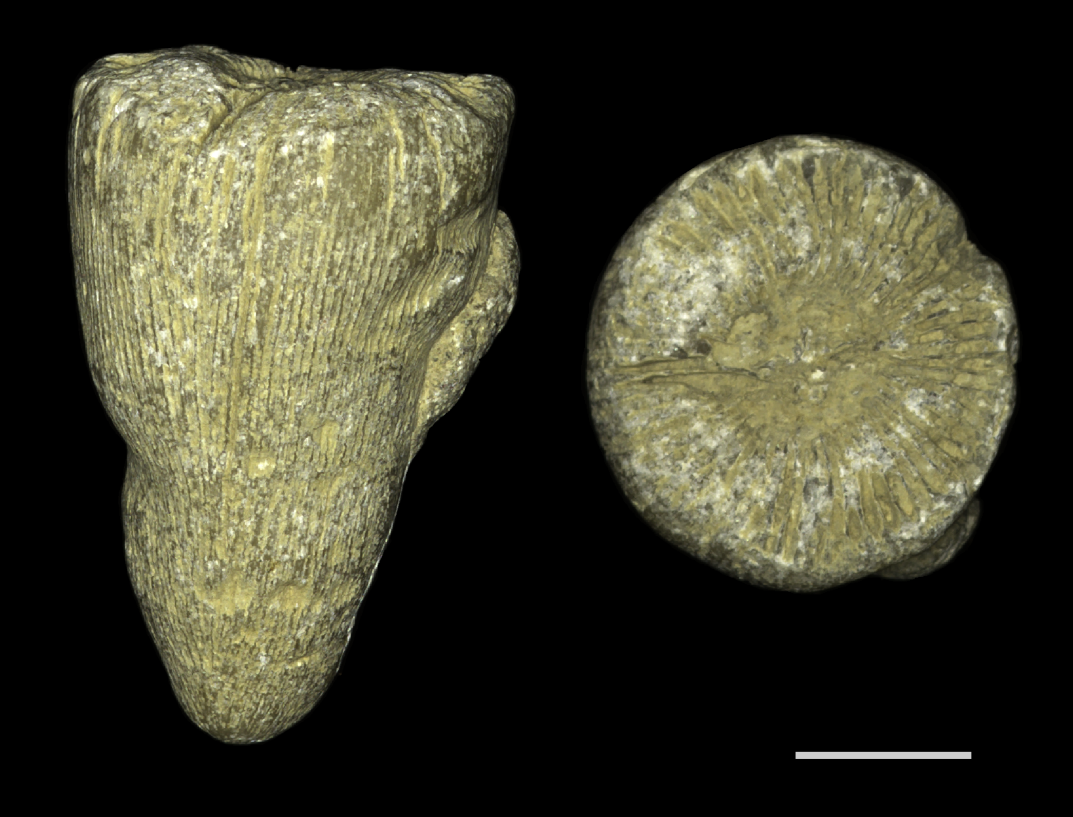
Time Period: 450mya to 250mya
Known also as horn coral, rugose coral are an extinct species that lived from the Ordovician to the Permian period. They lived as both solitary and colonial species, both of which could grow massive in size: solitary specimens were known to reach nearly a meter in length. Their skeleton was made up of mainly calcite, making them an excellent candidate for fossilization as well as providing the necessary chemical dissolution to make limestone. While not officially proven, it has been hypothesized that many different Rugose specimens had stinging cells used to catch prey. Interestingly, these corals were carnivores, but, due to the small size of their prey, they earn the unique title of microcarnivore.
SAND DOLLAR
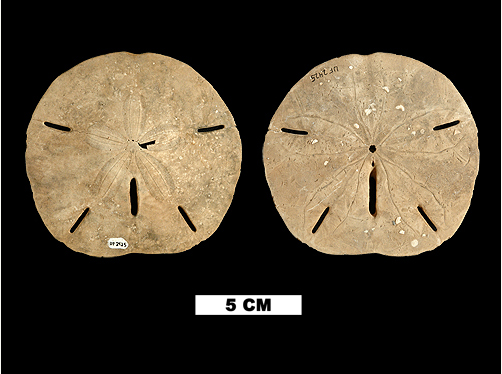
Time Period: 56mya to Today
Sand Dollars are a species of sea urchin. They are echinoderms with a flattened somewhat heart-shaped shell, though some are not quite as flat and are referred to as sea biscuits. Much like their cousin the starfish, they exhibit a five point symmetry evident as lines that trace outwards from the center.
SHARK TEETH
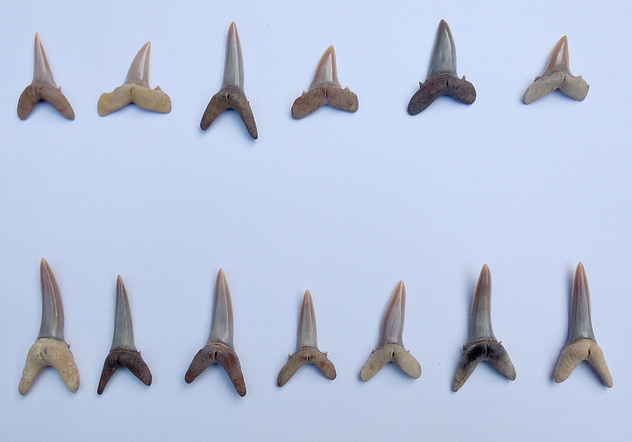
Time Period:
Shark teeth are the most common evidence of a shark’s existence in the geologic record. Over a single shark’s lifetime, you can expect them to go through several thousand of teeth (over 30,000 in the case of a Great White). After they’re lost and buried, minerals replace the organic material of the teeth and turn them into true fossils. These teeth are commonly found on beaches after being washed in from the depths of the ocean. Each species of shark has a unique tooth, with Megalodon teeth being the largest, Tiger Shark teeth having serrated teeth for slicing, and the Lemon Shark teeth being long and narrow.
STROMATOLITE
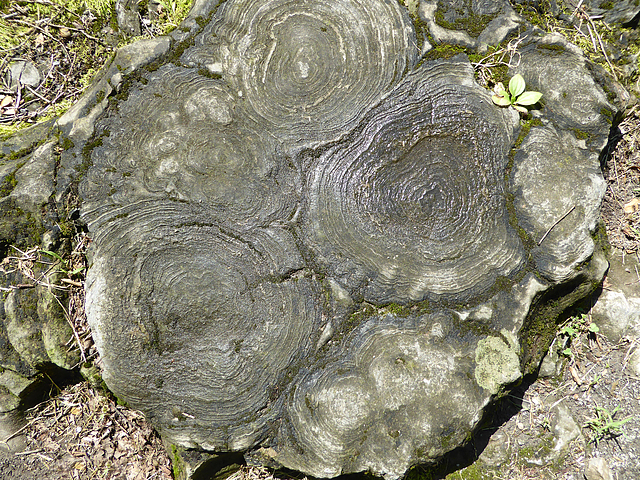
Time Period: 3.5bya to Today
Stromatolites are layered mats of microorganisms that form large “boulders” in shallow marine environments very similarly to algae. Stromatolites are the earliest macroorganism that we have fossils of. Because these are such old organisms, they actually contain a record of when Earth’s atmosphere became oxygenated–this record is known as a Banded Iron Formation, and it appears in the layers of the stromatolite as a deep red, rusty color. Interestingly, despite dating back to the Archean Eon (3.5 Billion years ago), there are still stromatolites remaining today. Most notably, they have been found in Shark Bay, Australia as well as Yellowstone National Park in Wyoming.
TRILOBITE
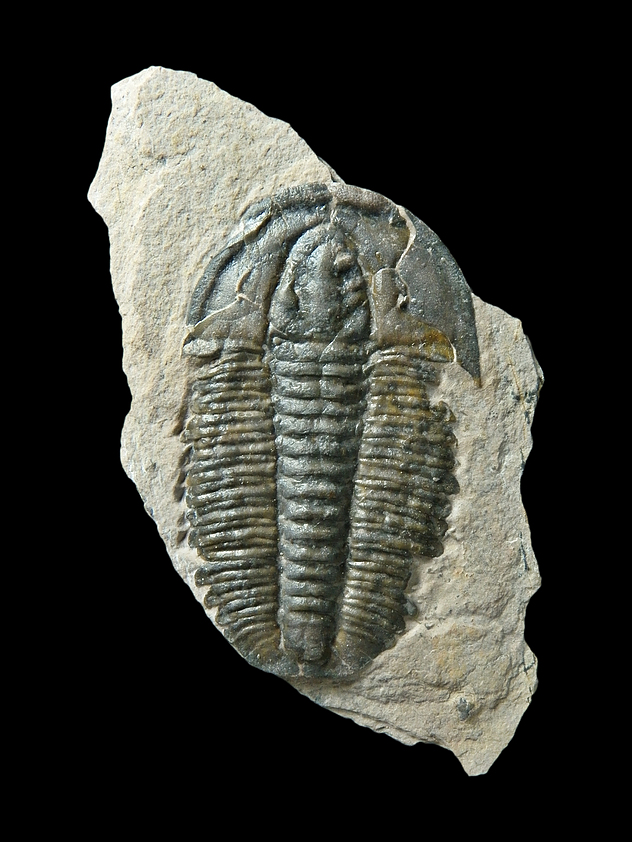
Time Period: 521mya to 252mya
Trilobites are extinct marine arthropods that first appeared over 500 million years ago. After around 250 million years of dominating the oceans, they fell victim to the Permian extinction–an event that wiped out approximately 90% of the Earth’s species. Trilobites were an abundant species that scuttled around on the seafloor eating small organisms like algae, although some trilobites became specialized and learned how to filter feed. They are called trilobites because their exoskeleton has three distinct segments: the head, the body (aka thorax), and the tail. These segments would have given them a significant amount of flexibility, allowing them to curl up in defensive balls much like the modern day pill bug or armadillo. Trilobites were the first organism to develop a compound eye, which in turn paved the way for our own eyesight that we know and love. The Trilobite is Wisconsin’s state fossil since it is incredibly common throughout the limestone bedrock that covers the southern half of the state.
This list is by no means exhaustive. There are more rocks, minerals, and fossils than just those listed here. This list represents rocks that you’ll most commonly encounter when visiting Cave of the Mounds, in the gift shop or below ground. As you explore the world around you, see if you can identify what you find!
Photo sources can be found in the file names.